You’ve tried southern fried chicken, Korean fried chicken… but Japanese fried chicken? If you haven’t, this is your sign. Christi Nortier chatted to Rebecca Aziz and MinChan Kim, owners of How’s Your Oni? restaurant, to hear about their taste of karaage in Japan, how to make it and which Japanese dishes a curious foodie should try next.
Hold up – first of all, what’s behind the restaurant’s name?
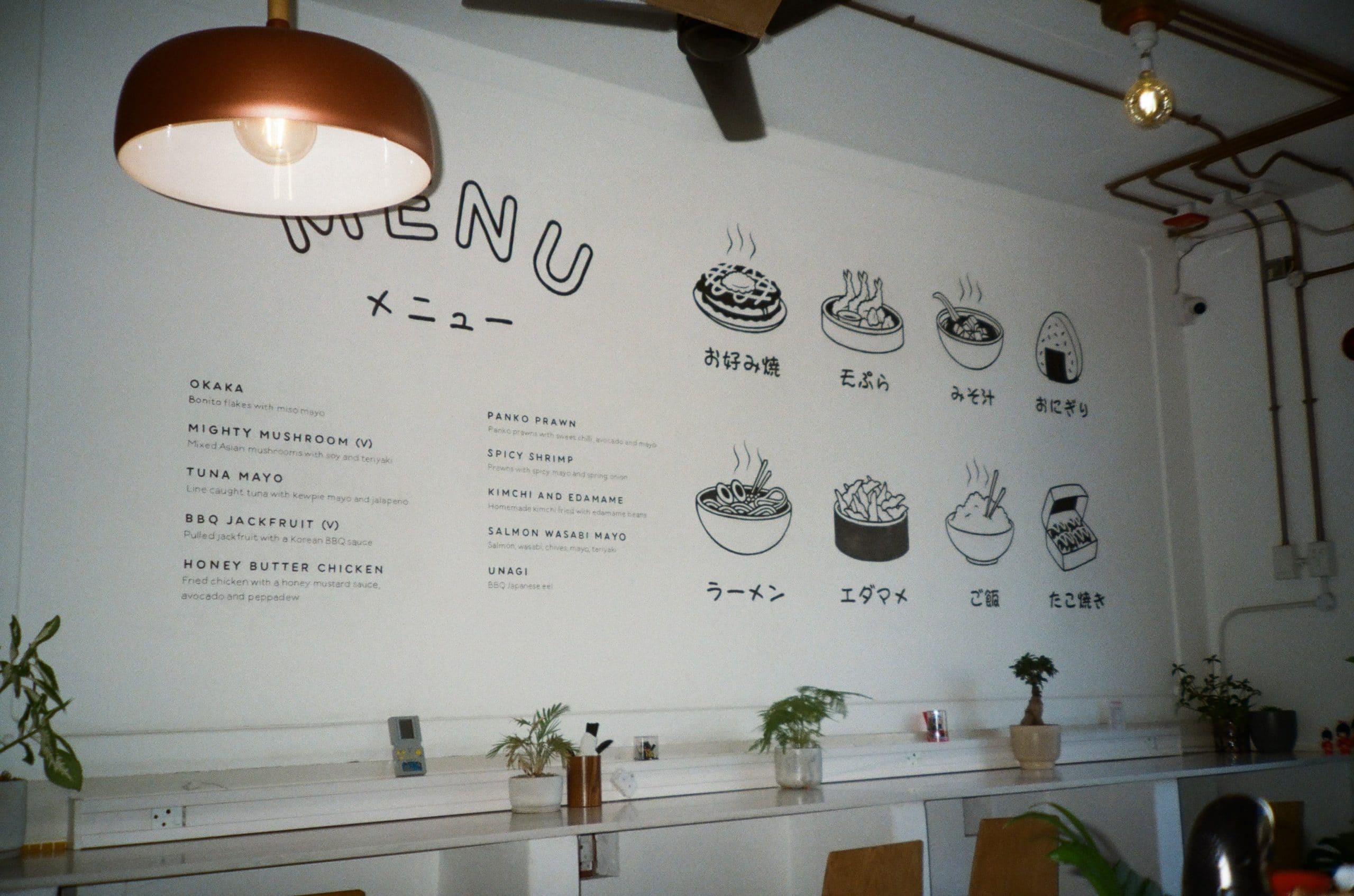
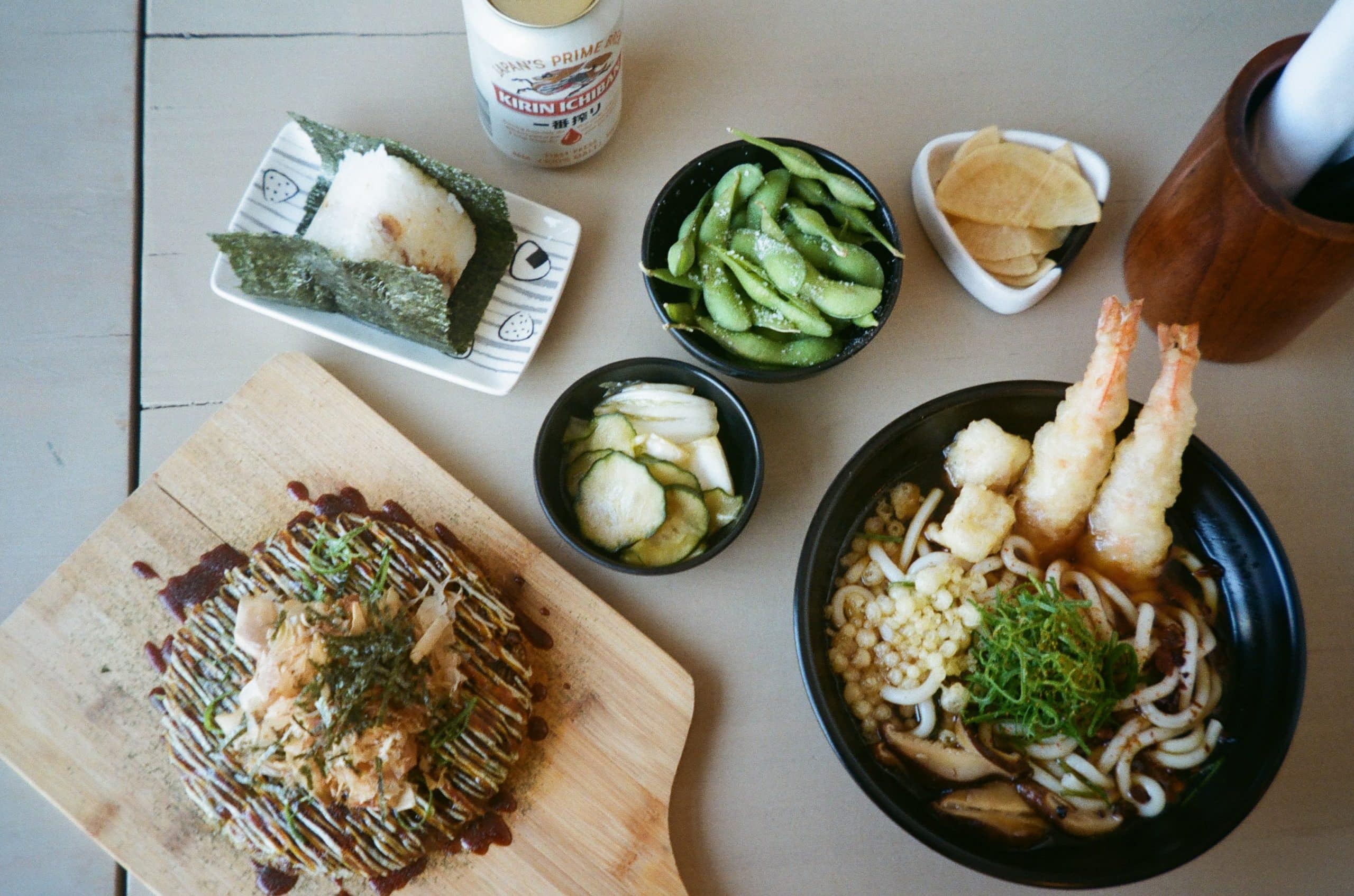
Rebecca: Oni is short for onigiri, which is a rice ball with various fillings inside and wrapped in nori. It’s what we started out making and selling from home. The name is a play on “How’s your aunty?”. Now, we make a variety of Japanese dishes: Takoyaki, okonomyaki, miso soup, tempura, udon and at least 10 kinds of onigiri. When we recently travelled to Japan, we went over with one empty suitcase and came back with four full ones filled with ingredients to make this menu.
Minchan: We always bring back special ingredients to use in the restaurant, like this cool soy sauce that only comes from one region of Japan and isn’t even sold outside of the town.
View this post on Instagram
Was a Japanese restaurant always part of the plan?
MinChan: I grew up in South Korea and my favourite childhood foods are takoyaki and samgak-gimbap, which is very simillar to onigiri. I started waitering in restaurants when I was 16, so there was an idea there. When Rebecca and I were travelling in Japan, we saw everyone eating onigiri and we felt that it was just something that Cape Town was missing.
Back to karaage – what is it?
MinChan: It’s crispy, juicy, very tender deep-fried chicken thighs. It’s usually served as is, kind of like a side, definitely with some lemon and maybe a chilli lime mayo. A lot of people eat it with rice or on top of cabbage. Another way to serve it is with a Japanese curry, which is not as spicy as other curries and is a little sweeter and fruitier.
View this post on Instagram
What makes karaage different to Korean fried chicken and chicken katsu?
MinChan: Karaage is very similar to Korean fried chicken, but the differences are in the marinades and the serving sauces. Korea and Japan are very close together, so they share a lot of their cuisine. Katsu is also Japanese but is a chicken cutlet, usually breast, that’s breaded with panko and then deep-fried.
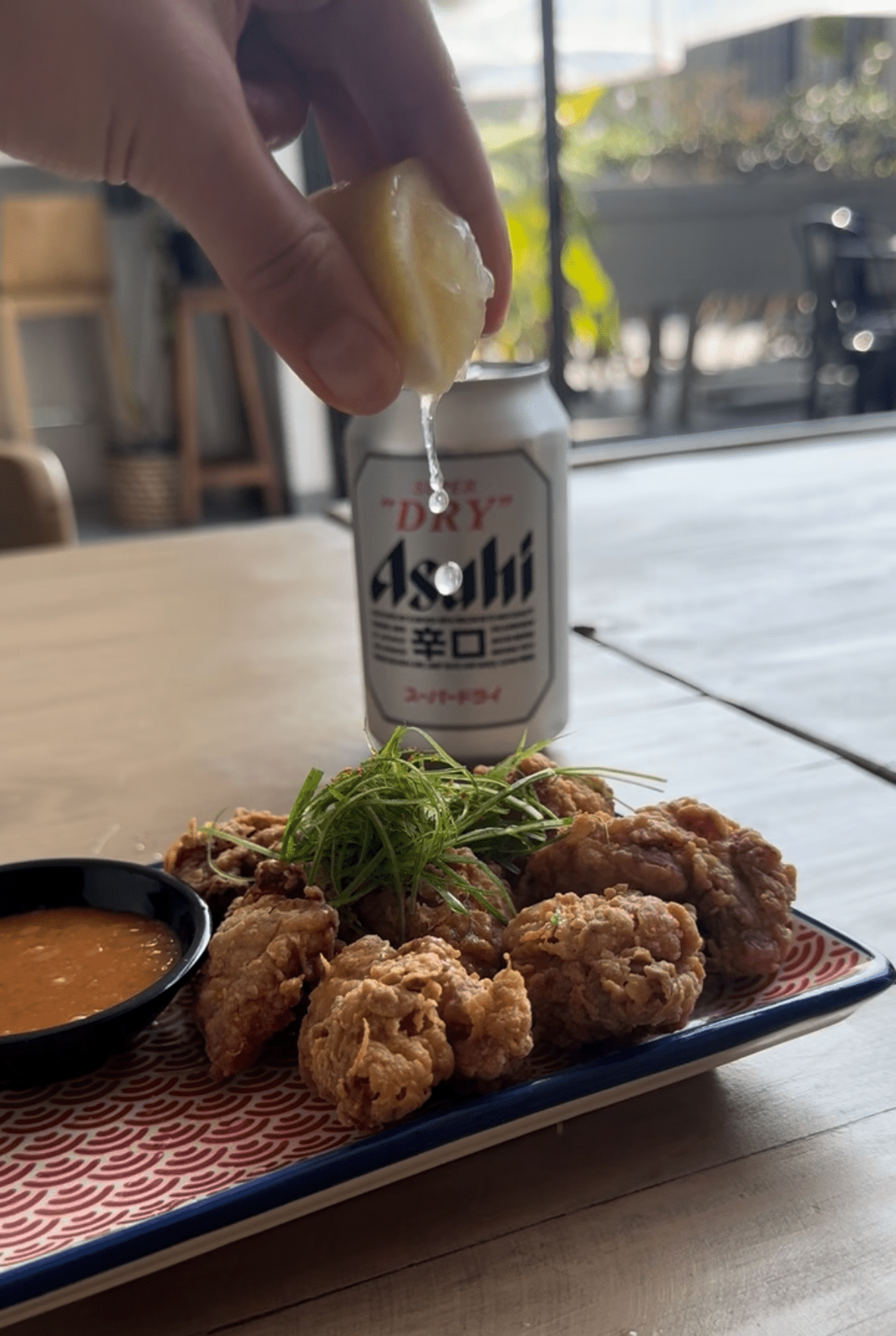
How do I make karaage at home?
MinChan: This is how I’d recommend you do it:
- Preferably use boneless chicken thighs but definitely keep the skin on.
- The thighs are marinated in soy sauce, ginger, garlic, sesame oil and sake (we don’t us that, keeping our halal customers in mind).
- You let it sit like that for a bit, coat it in egg white and then you dip it into your flour mixture, which is a ratio of flour and corn flour or potato starch.
- To create flakes, add a few drops of water or dashi water (a Japanese broth) to the flour mixture before coating. Those flakes get extra crispy once they’re fried.
- An important thing for karaage is triple frying. You fry it for about 40 seconds, let it rest for 30 seconds and repeat twice more.
View this post on Instagram
Japan has so much to offer travellers. Is it a good choice for foodies?
Rebecca: Absolutely! There are so many restaurants to choose from and everything’s good. We’d have three meals a day and in between go to the convenience stores and get onigiri. They’ve also got great desserts. If you can go – definitely do it!
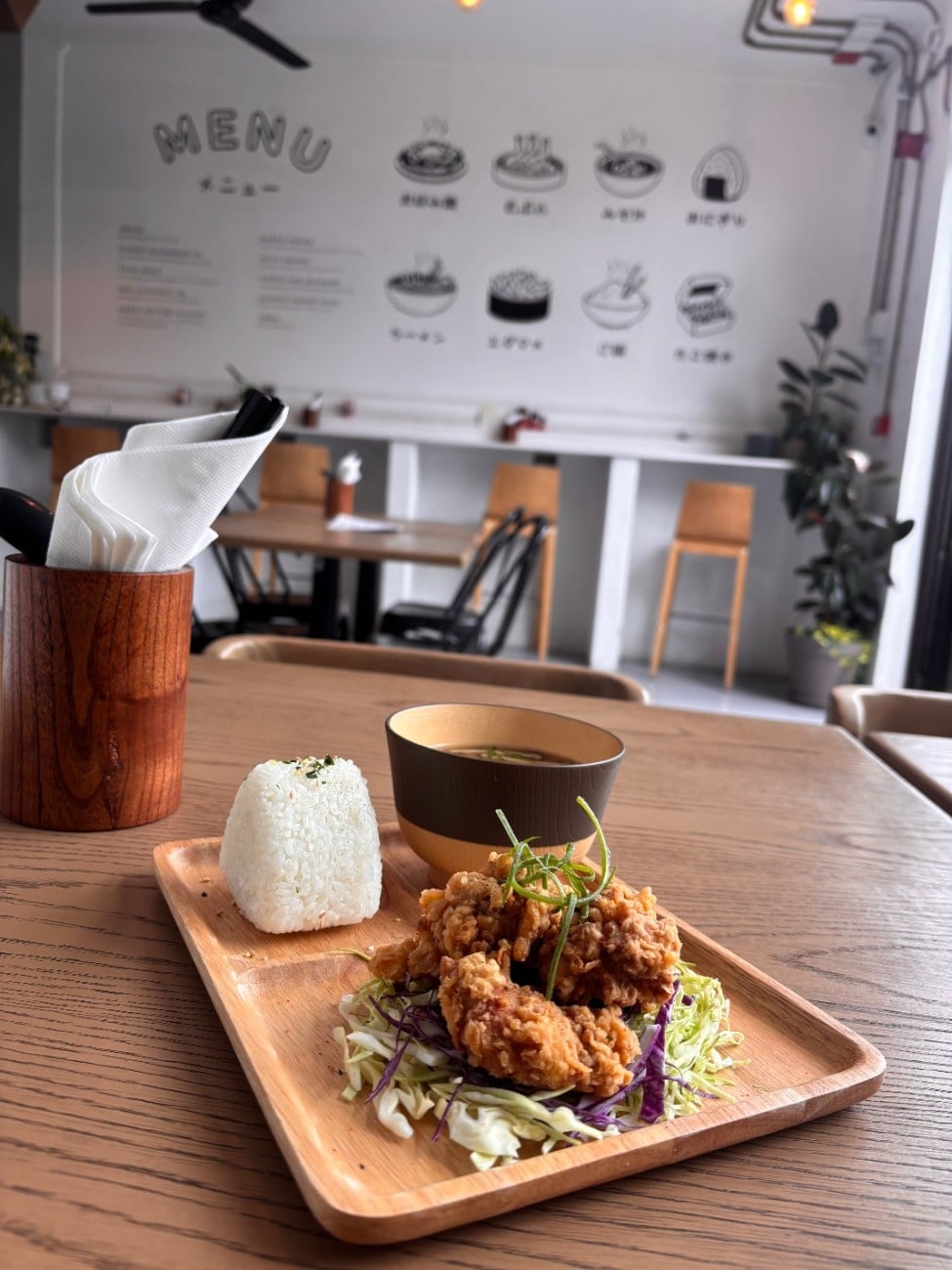
What’s next for How’s Your Oni?
Rebecca: We’re doing a pop up on Kloof Street this summer focused on bento boxes and matcha takeaways. We actually just got back from a trip to Japan which was just to study good matcha and bring it back here.
View this post on Instagram
Words by: Christi Nortier
Photographs: Supplied