Some ingredients are so strong that adding a mere pinch results in a pretty explosive bite! Sjaan van der Ploeg highlights her favourites —and they all pack a mighty punch.
Brown butter PB & J cookies
Makes 12-14 cookies
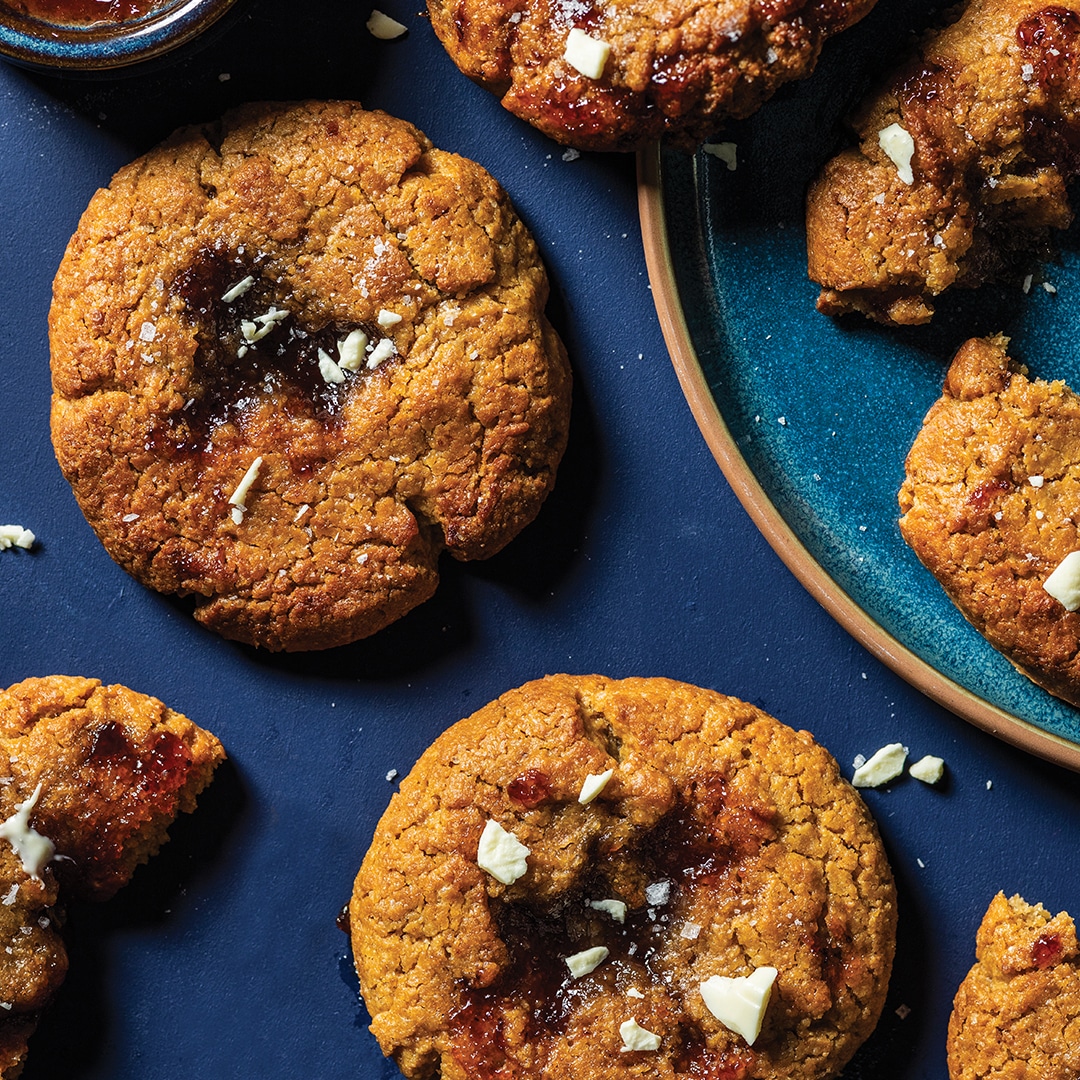
The addition of lemon juice stops the butter from over browning as well as burning.
Ingredients
½ cup (125g), at room temperature
2 tsp (10ml) lemon juice
1 cup (250ml) smooth peanut butter
¼ cup (45g) treacle sugar, packed
¾ cup (160g) light brown sugar
1 large egg
1 large egg yolk
½ cup milk, at room temperature
2 tsp (10ml) vanilla extract
1 tsp (5ml) baking powder
1 tsp (5ml) salt
2 cups (300g) flour
¼ – ⅓ cup raspberry jam
Method
- Heat butter in a large pot or pan over medium-high heat. Keep lemon juice close by until ready to use.
- Bring butter to a simmer for 1-2 minutes, stirring regularly, until a light foam bubbles up on the surface.
- Continuously stir as butter foams in order to see the colour of the butter at the base. Once the mixture has turned a deep golden brown (and begins to smell fragrant and nutty), remove from the heat and immediately pour in the lemon juice — careful, the mixture will splatter.
- Decant butter into a heat-safe glass or metal bowl. Cool for 15 minutes.
- Combine cooled butter and peanut butter and whisk using a handheld mixer, for about 1 minute.
- Add the sugars and whisk for 2-3 minutes.
- Combine the egg and yolk, milk and vanilla. Add mixture to batter and whisk to incorporate.
- Sift together dry ingredients. Add the wet mixture to the dry ingredients and whisk until mixture comes together to form a dough.
- Press dough into a flat disk, cover with clingfilm and refrigerate for 1 hour.
- Preheat oven to 180°C.
- Scoop 3 Tbsp (about 80g) of chilled dough and roll into a ball. Place on a lined baking tray and press your thumb into each dough ball, making an indent. Add 1-2 tsp jam, then press the dough over it gently, half covering the jam. Repeat with remaining cookies.
- Bake for 12-15 minutes, until golden but still soft. Remove and cool completely.
- Serve warm or store in an air-tight container for up to a week.
Browned Butter
When butter is melted and begins to bubble, the water in the butter evaporates, allowing the protein in the milk solids to caramelise. This results in a hazelnut-brown colour, deeper flavour and a nutty smell, adding new layers to what was previously a mild ingredient. Browned butter used in baking brings forward a molasses, caramel-like flavour, adding even more yum to your bakes.
Also read: 4 Tips to jazz up your cookies
Anchovy butter potatoes
Serves 6
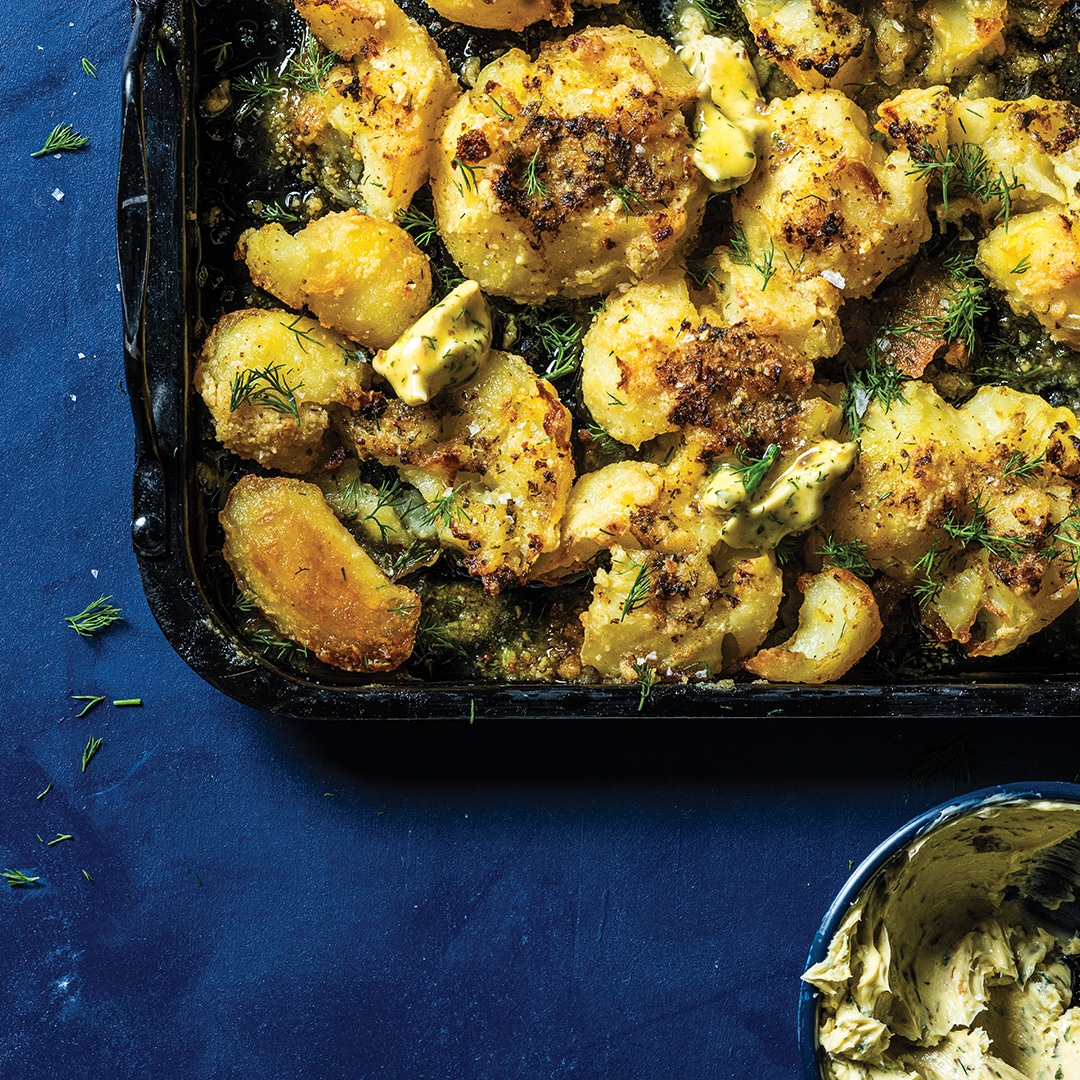
This recipe will leave some leftover anchovy butter. Use this on toast or add to the pan when cooking meat.
Ingredients
For the anchovy butter
250g butter, soft
1 Tbsp chopped dill + extra for serving
2 tsp basil
1 lime, zested and juiced
1 clove garlic
8 anchovies, chopped
Milled pepper
1kg potatoes, peeled
¼ cup olive oil
¼ cup flour
Method
- Whisk butter for 1 minute until light and fluffy.
- Mix in the remaining butter ingredients. Season and set aside.
- Boil potatoes in a pot of salted water until fork-tender. Drain.
- Preheat oven to 180°C.
- Return potatoes to the pot and drizzle with oil, then with flour. Close the lid and shake to coat.
- Decant potatoes onto a baking tray and mash lightly with a fork.
- Dot potatoes all over with ¼ – ½ cup of the anchovy butter.
- Roast for 1 hour until golden and the potato, edges are crispy.
- Serve potatoes hot, dotted with more butter (if you like) and sprinkled with fresh dill. Store leftover butter covered in the fridge for up to 3 weeks.
Anchovies
A tiny fish known for its salty content, anchovies add a fresher saltiness to dishes. They are also likened to having an “umami” flavour, similar to fermented foods like miso. Anchovies are often added in small amounts, so it doesn’t result in a dish tasting like fish. They’re great fried along with aromatics of tomato-based pasta sauces or on a Caesar salad.
Truffle oil butternut ravioli
Serves 4
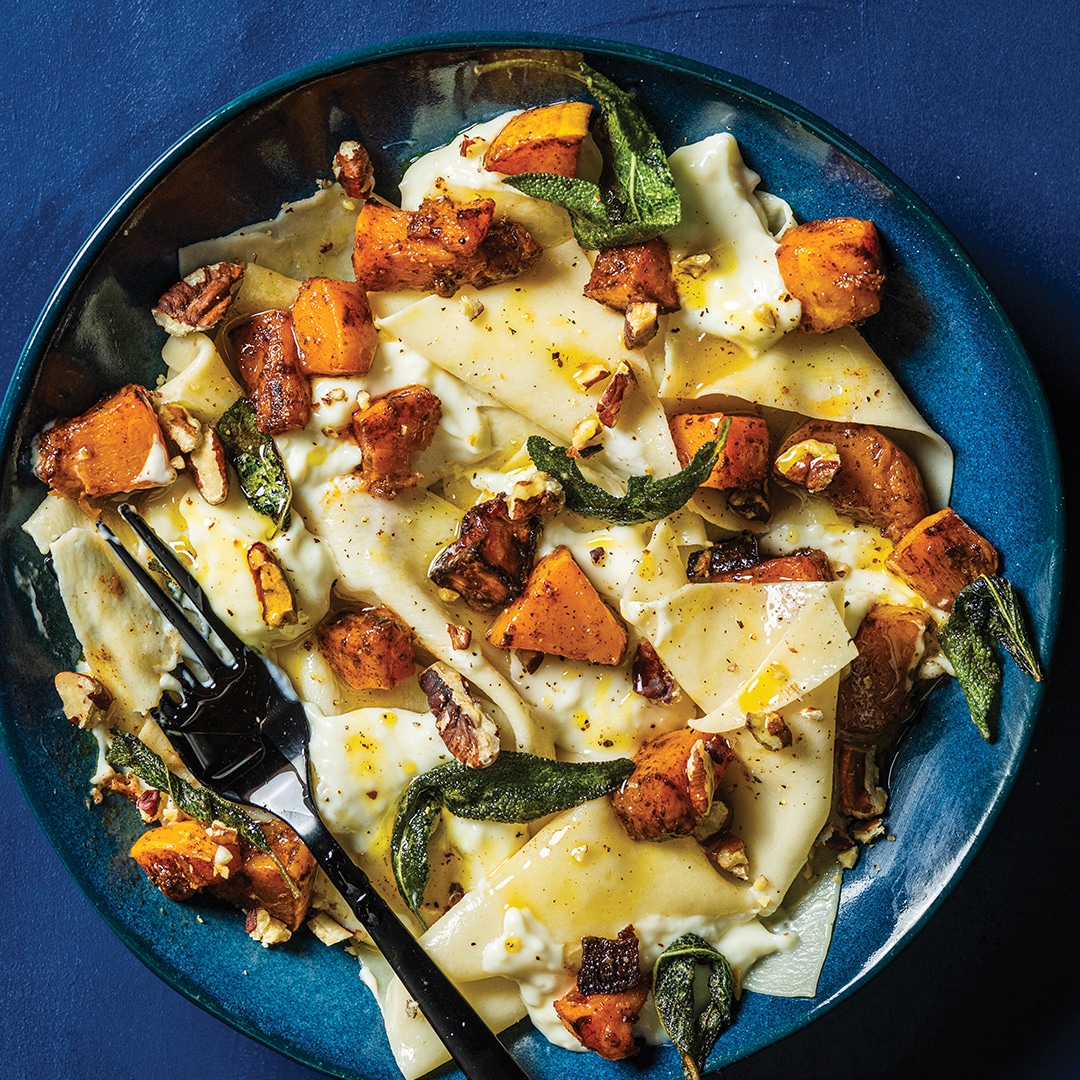
Skip the homemade pasta and opt for store-bought lasagna sheets instead.
Ingredients
For the pasta
2⅔ cups (400g) flour
4 eggs
1 tsp salt
Olive oil, for drizzling
For the truffle white sauce
2 Tbsp butter
2 Tbsp truffle oil
1 tsp minced garlic
¼ cup flour
2 cups milk
500g butternut, sliced into small cubes
3 Tbsp olive oil
½ tsp nutmeg
1 tsp cinnamon
1 tsp paprika
Fried sage and pecan nuts, for serving
¼ cup grated Parmesan
Method
- Add flour, eggs and salt to a food processor and blend until it forms a dough. Alternatively, place flour on a clean work surface and make a large well in the middle. Add the eggs and use a fork to gently whisk portions of flour into the egg until a rough dough forms. Work the mixture into a smooth dough, trying not to over-knead.
- Press dough into a flat disc and refrigerate for 2 hours.
- Cut pasta into 4 portions. Roll one portion through a pasta machine to create flat, thin ribbons. Repeat with remaining portions.
- Use a knife or pizza cutter to neatly shape the pasta, creating 9x11cm lasagna sheets. Set aside.
- Preheat oven to 200°C.
- Place butternut on a baking tray, drizzle with oil and sprinkle with seasonings.
- Roast for 30 minutes, or until soft and caramelised.
- For the sauce, add butter and oil to a pot over medium heat. Add the garlic and fry for 1 minute until fragrant.
- Add the flour and stir to combine thoroughly.
- Stir through ¼ cup portions of milk at a time, whisking well to prevent any lumps from forming. Move pot on and off the heat if the mixture is thickening too quickly.
- Continue until all the milk is added, cooking for another 8-10 minutes until sauce coats the back of the spoon.
- Cook pasta in a pot of salted boiling water for 3-5 minutes until tender. Drain and drizzle with olive oil.
- Arrange portions of pasta on serving plates and top with spoons of truffle white sauce, butternut, sage and pecans. Sprinkle over Parmesan and serve.
Truffle oil
Truffle oil is made from truffle mushrooms, a tuber that grows underground amongst the roots of trees in damp areas. They’re viewed as a luxury due to their slow growth, short shelf life and inaccessibility. Sniffer dogs or pigs are often used to locate truffles thanks to their strong sense of smell, then the truffles are carefully extracted by their handler. Usually grated or sliced and added to oil to infuse through cold or warm methods, the taste of a truffles is often described as pungent, funky and earthy.
Marmite rarebit
Serves 8-10
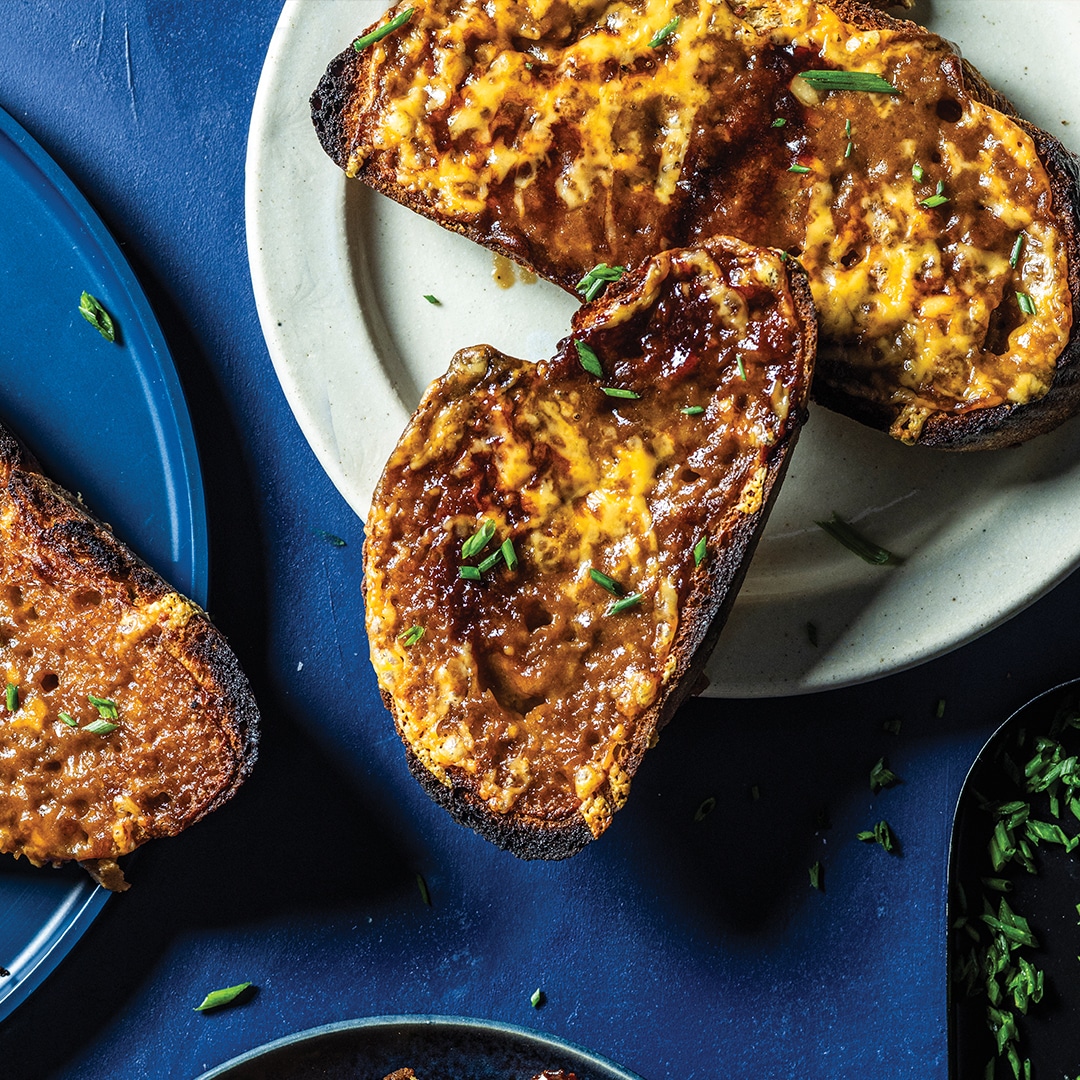
The perfect savoury bite for breakfast, brunch or tea. The unique ingredient in this recipe is marmite, but the same could be said for milk stout— thanks to its malty, tangy taste.
Ingredients
For the cheese sauce
1 Tbsp butter
½ tsp mustard power
1 Tbsp flour
½ can (16.5ml) milk stout, beer or lager of choice
1 tsp Worcestershire sauce
100g grated Cheddar, + extra for topping
1 loaf sourdough, sliced
Butter, for spreading
2 Tbsp marmite, warmed
Chives, chopped
Method
- Preheat oven grill.
- Heat butter in ‘a pan over medium until sizzling. Whisk through the mustard powder and cook for a few seconds.
- Add the flour and whisk until smooth.
- Add the stout a splash at a time, whisking continuously between additions to cook the mixture.
- Stir in Worcestershire sauce and cook for another 5-8 minutes, until thickened.
- Scatter in the cheese and stir to melt. Remove and cool slightly.
- Butter bread, place on a lined tray and grill for 3-5 minutes to lightly toast.
- Remove bread and generously spoon cheese topping over each slice, spreading out evenly.
- Coat a knife in marmite and drizzle over the toasts, then swirl through to spread. Sprinkle your last handful of cheese over the slices.
- Grill toasties until cheesy and melted, about 5 minutes. Keep a close eye as it burns easily.
- Serve hot out of the oven, sprinkled with chives.
Marmite
Made from concentrated yeast extract (a by-product of beer), marmite is thick and dark like molasses, with a salty and rich taste likened to umami flavour. Whereas Bovril is made with yeast extract and beef broth amongst other ingredients, Marmite is vegan and seasoned with vegetable juice. It also pairs perfectly with Cheddar, making it moreish and cosy.
Also read: Marmite & Cheddar rugelach
Bacon-wrapped chicken with aged balsamic
Serves 4
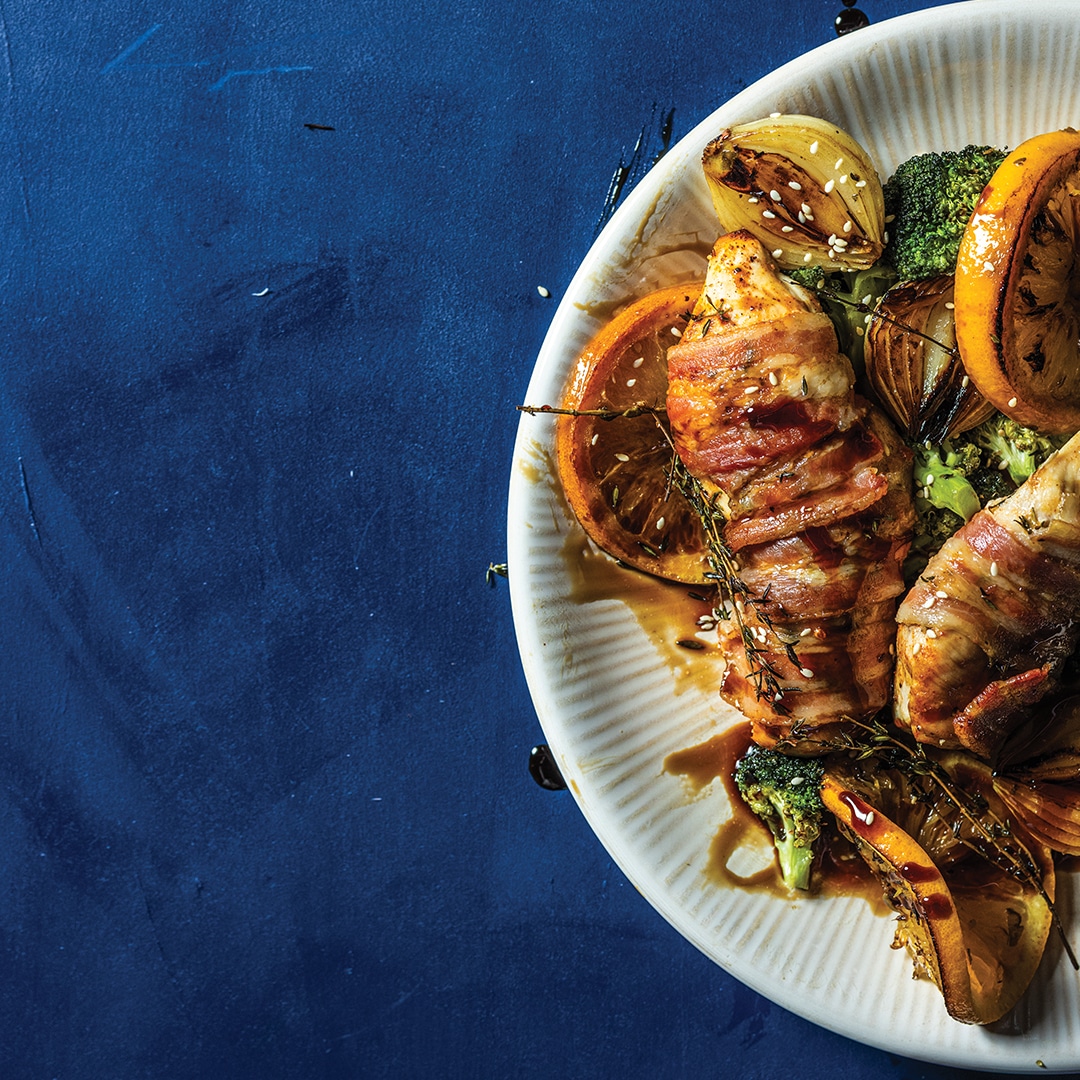
This one-tray meal is quick to assemble and ready in 30 minutes.
Ingredients
1 Tbsp paprika
2 tsp garlic powder
Salt and milled pepper
4 sprigs thyme, leaves picked + extra for roasting
3 Tbsp olive oil
4 chicken fillets
8 slices streaky bacon
2 oranges, sliced
3 baby onions, halved
Aged balsamic of Modena, for serving
For the broccoli
1 head broccoli, cut into small florets
2 tsp Italian herbs
Salt and milled pepper
2 tsp white sesame seeds, toasted
Method
- Preheat oven to 180°C.
- Combine paprika, garlic powder, salt and pepper.
- Drizzle oil over chicken and rub seasonings all over.
- Scatter thyme leaves onto the top of each breast.
- Wrap 1-2 bacon strips around each fillet. Arrange chicken in a roasting dish, ensuring the ends of bacon are tucked underneath the chicken to keep it from unravelling. Nestle orange slices, extra thyme sprigs and onion amongst chicken.
- Toss broccoli, Italian herbs and seasoning together and arrange around the chicken.
- Roast for 25-30 minutes, or until the chicken and broccoli are tender.
- Serve chicken and broccoli on serving plates with onions and orange. Top with sesame seeds. Drizzle with balsamic and serve.
Aged balsamic vinegar
This type of vinegar is syrupy in texture, with flavours that have had time to develop into fruity and woody notes, removing some of the intense acidity usually associated with regular balsamic vinegars. Matured in wooden barrels for at least 3 years, a label “aceto balsamico di Modena” will show its authenticity. When it is aged for 12 years, the label will read “aceto balsamico Tradizionale”.
By: Sjaan van der Ploeg
Photography by: Zhann Solomons
Text courtesy of MyKitchen magazine