
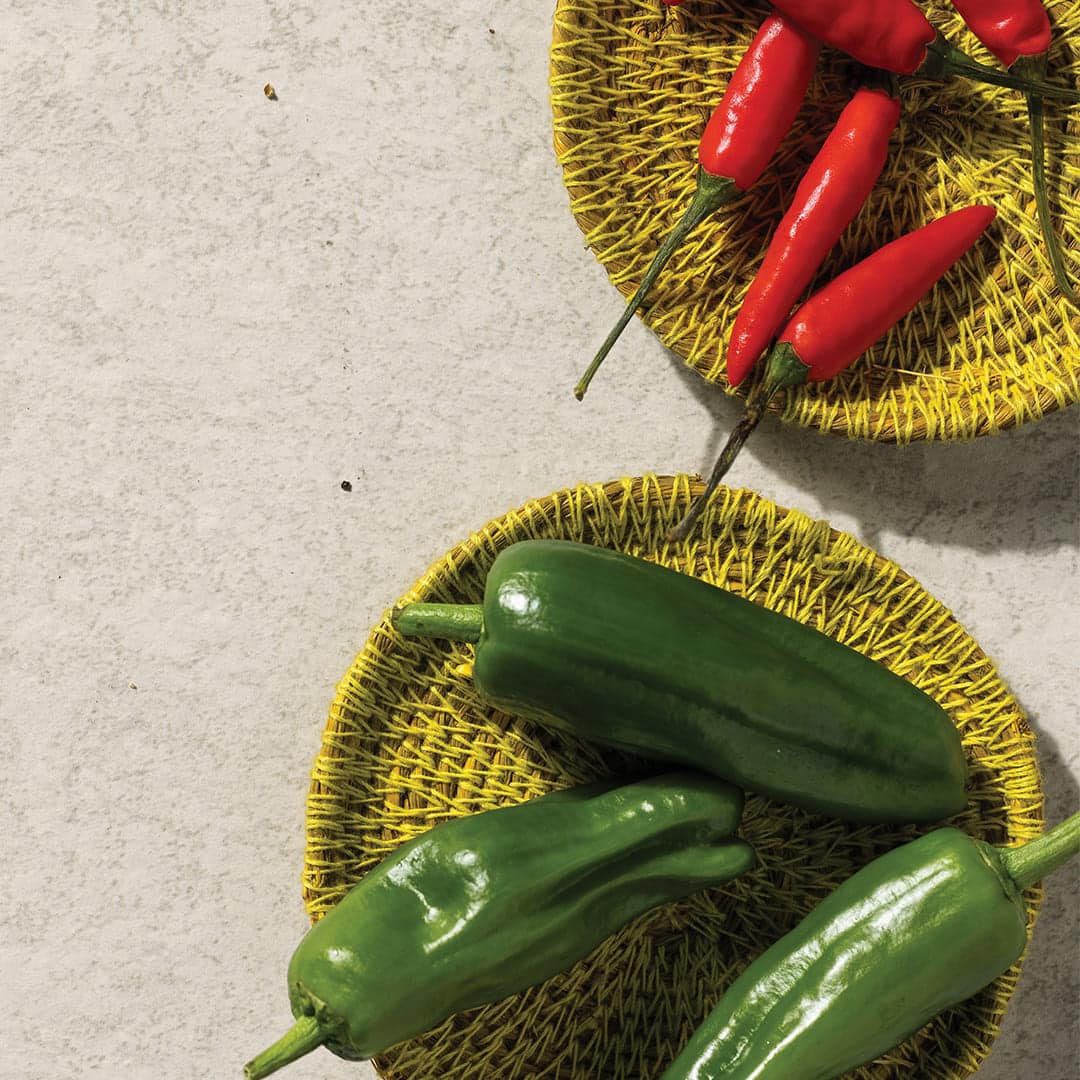
See how you can add the bold flavour of African chillies to your meals using local ingredients that match the original taste.
African bird’s eye chillies have long been an essential in kitchens throughout the continent because they are fiery, aromatic, and full of character. These small but potent chillies, which are well-known for their intense heat and flavour, give traditional cuisines such as Mozambican peri-peri and West African Suya depth.
They are more than simply a spice; they have a long history of being grown for generations, traded via historic routes, and honoured in regional cuisines. Every bite of a bird’s eye chilli, whether it’s mashed into spicy pastes, soaked in oils, or sprinkled fresh over a meal, embodies the warmth and intensity of African cooking.
The bird’s eye chilli may be small but is proof that dynamite comes in small packages because it is around 22 times hotter than the spiciest jalapeno, with an average of 175 000 Scoville heat units (SHU). It has a somewhat peppery aftertaste, earthy undertones, and a pleasingly fruity core flavour despite the heat.
This tiny chilli is a well-known name in regional cuisines throughout South America, Africa, and Asia, and its extensive usage has led to an astounding number of unusual nicknames. The famous African bird’s eye chilli may be called “piri-piri,” “peri-peri,” or the African devil,” depending on where in Africa you find yourself. These days, Ethiopia and several other African nations are home to wild African bird’s eye chillies, including South Africa, Zimbabwe, Zambia, Ghana, Uganda, Kenya, and Mozambique.
The most famous dish in Africa using this spicy specimen is peri-peri chicken, which is a popular meal in Angola and Mozambique. The dish gained widespread popularity thanks to Portuguese influence. To make peri-peri sauce, use garlic, lemon, red wine vinegar, herbs and the African bird’s eye chilli.
African pantry substitutions
Due to local growing conditions or restricted commercial distribution, many traditional African ingredients are not easily accessible in South Africa. Local alternatives, however, might aid in replicating the tastes and textures of these indigenous ingredients
Teff (Ethiopia): For an earthy taste when baking or preparing injera, use sorghum flour instead.
Baobab leaves (Sahel region): For stews, use spinach or pumpkin leaves as they are nutrient-dense greens.
Egusi seeds (West Africa): Sunflower or pumpkin seeds can be used instead when preparing nutty. thick soups and sauces.
Bambara groundnuts (West & Central Africa): You can use sugar beans instead, which have a similar protein level and creamy texture.
Smoked catfish (Ghana or Nigeria): For a similar smoky, umami taste, try snoek or haddock.
Red palm oil (West & Central Africa): When making stews, use coconut oil (for richness) and a pinch of turmeric (for colour).
Pumpkin leaves (West Africa): Good idea to swap it out for spinach.
By: Lichelle May
Photography by: Zhann Solomons, Getty Images
Text courtesy of MyKitchen magazine
Also read: Culinary delights from all over Africa