In Vusi Ndlovu’s kitchen, fire is an ingredient. It’s a living thing, something that needs to breathe. Most of all, it’s something to have fun with. Christi Nortier asked him about his food and fire philosophy.
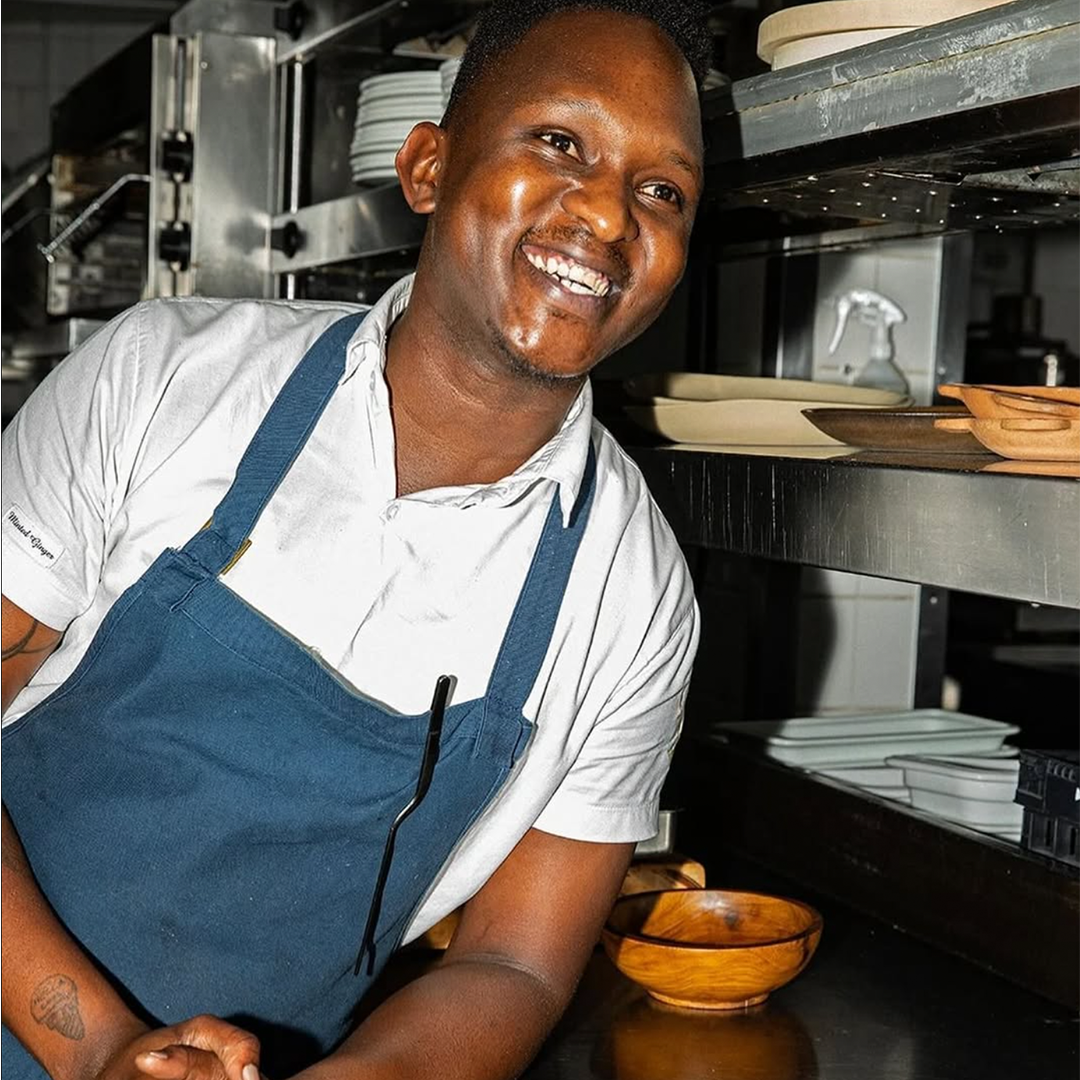
What to do when there are 50 guests seated outside, hungry for a fine dining meal in Franschhoek, but the kitchen’s hired equipment isn’t working? Cook over fire, in the stable’s fireplace, of course. Assistant chefs stood back as chef Vusi Ndlovu calmly set up four stations on the ground, divided by stacked bricks. The five-course meal started to come together: venison on the coals, chicken and cabbage in a simmering stock pot, scallops. To him, it was the most natural way he knew to feed people.
The meal was a knock-out and his business partner, Absie Pantshwa, wouldn’t let him forget it. After spending time in hotel kitchens, local and international fine dining restaurants and various pop-ups, it was time for Vusi to cook his own menu. That Franschhoek event sparked the creation of Edge, his culinary project which has included a TimeOut market stall, Bree street rooftop restaurant and the African Culinary Library. What underpins it all is one of his strongest culinary beliefs: fire is an ingredient.
The kindling
Making and sharing food created safe spaces for Vusi, at home during Sunday family gatherings as well as in the home economics classroom. He didn’t think much of it at the time, but when it came to planning for life after school suddenly the thought of studying engineering brought on boredom. Instead, he put his cooking skills to work at the five-star Sheraton Hotel in Pretoria, taking command of the egg station. “I became interested in the complexity of eggs: There’s so much you can do with them,” he says. But when you’re 19, you start to get arrogant. I was doing like six orders at the same time. The days were long, from SAM to 8PM, and it was getting monotonous.”
He became intrigued by the country’s top restaurants, fascinated by things like goat’s cheese panna cotta, so started experimenting at home. After a while, he’d just call up the restaurants and ask to work in their kitchen. And it worked. “I focused on learning as much as I could about that kitchen and that way of working. Once I understood a place, I would move to a new one to keep learning. It’s about being curious,” he explains. His curiosity took him far, through the kitchens and mentorship of Michel Morand’s Auberge Michel, Peter Tempelhoff’s Greenhouse and David Higg’s Five Hundred.
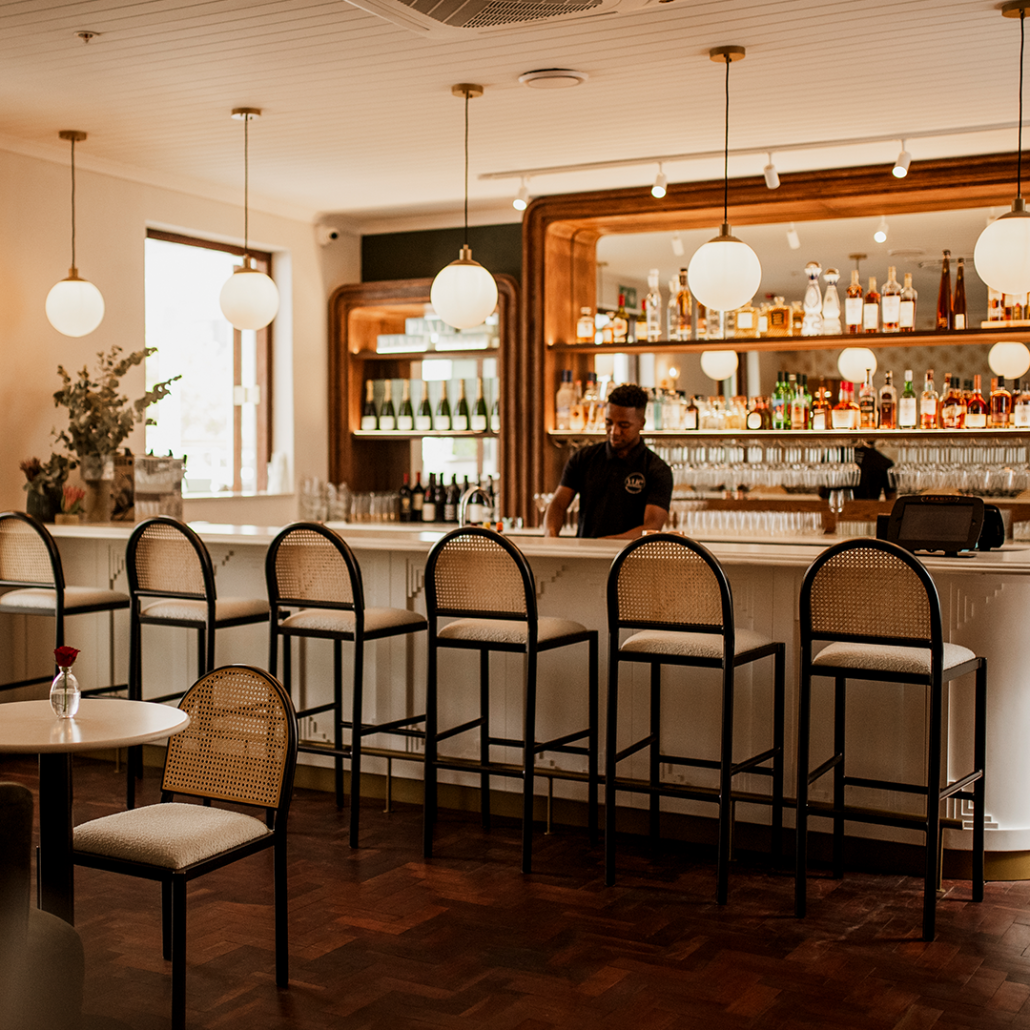
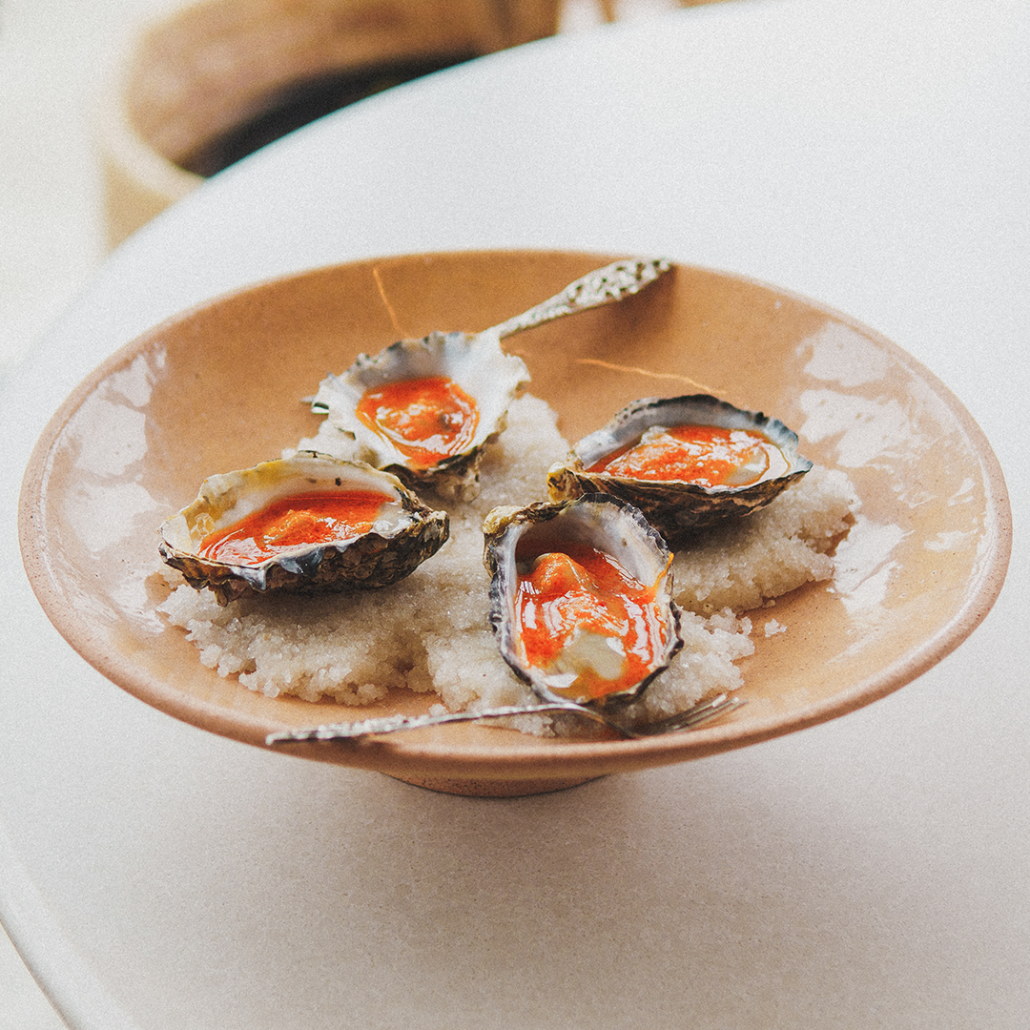
One of the most influential kitchens was In de Wulf, a Belgian Michelin star restaurant known for dishes made of only a handful of regional ingredients. “I came across In de Wulf on Instagram and I was like: ‘What is this place? It was run by Kobe Desramaults, this cool guy that’s like Bob Dylan in his prime. And he’s putting things in the charcoal’. In our sense, fire was a braai. But there it was something else,” he reflects. Vusi interned there for what was meant to be two weeks. He stayed for a year and a half.
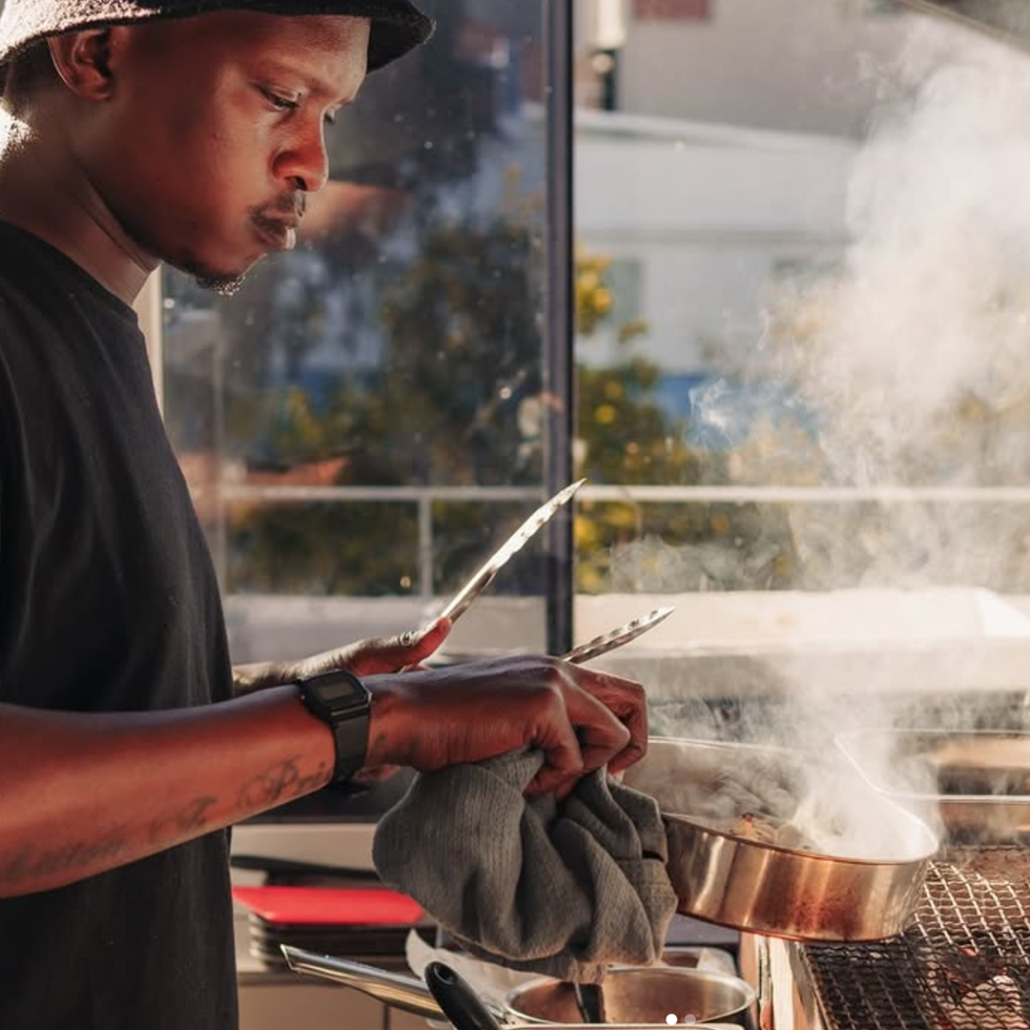
“I was always close to the guys by the fire. I found fire so interesting. It can be delicate and harsh. They’d put everything on or in the fire, even small things and feathers,” he recalls. He was often sent to Kobe’s other restaurant where they cooked over huge grills. “That was more fun and engaging, because there was no real temperature control. There’s no button. The wood and charcoal are themselves an ingredient. It was second nature to me because that’s just what we did and it became my preferred way of cooking,” he explains.
On returning to South Africa, he collaborated with Luke Dale-Roberts to open and lead the Marabi Jazz Club. There, he was adding fire to all kinds of things, from cabbage to mussels. “It was exciting, but again you’re cooking other people’s food. Other people’s ideas. At that time, I was awarded the San Pelegrino Best Young Chef award for Africa & Middle East and placed in the international top seven, so it meant I had to be doing something right with fire,” he grins.
Blazing bright
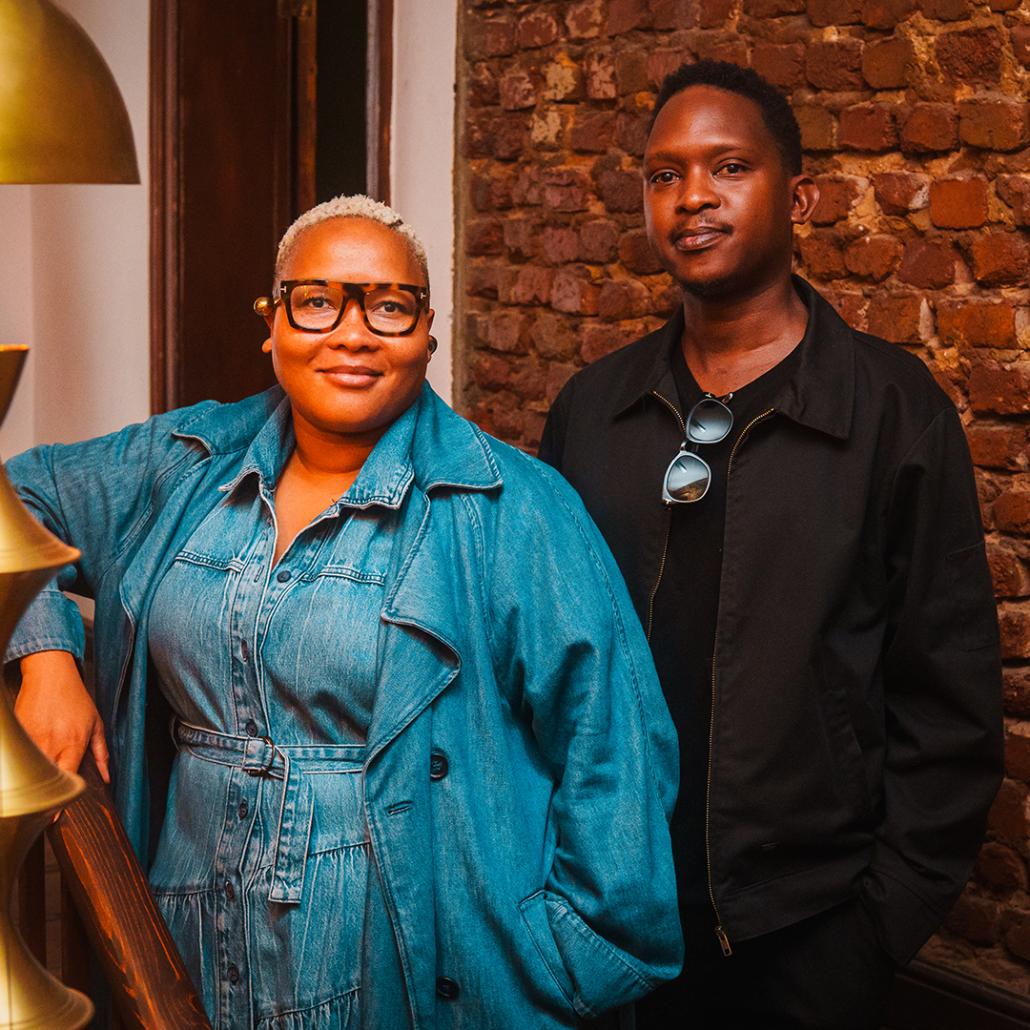
And then he teamed up with Absie. She encouraged him to keep playing with fire and work with African ingredients, which led to that first event together in Franschhoek. “The rest is history”, Vusi smiles. Edge roamed as a pop-up, his exploration of how to make fire complicated but sophisticated, until it settled high above Bree street in 2024. He designed his own grills so he could cook in the fire, on a grid as well as high above the flames.
“I like to keep things interesting by trying new stuff. We got vine leaves the other day and we burnt it, adding tomato and fish, just to see what would happen,” he says. “The idea is to always have fire as an ingredient and a vehicle, not to just have it be this macho big guy thing slapping on steaks. I’m not a big person. Absie teases me that I have small hands, but I’m just built for speed and delicacy. That’s what I want to do with the fire: I want to show you that it can be as delicate as it can be robust.”
Very soon, fire-loving people around the world will have access to a brand-new recipe from Vusi. He was approached by Phaidon to contribute to their new book, Barbecue: Smoke & Grilled Recipes from Across the Globe, filled with recipes collected from some of the world’s best-known chefs in live fire cooking. “At first, I thought they got it wrong contacting me. They assured me it was correct and gave me a week to create the recipe. I wondered what I was doing in a book next to legendary chefs. Eventually, I just did it. It was an honour to contribute”, he shares.
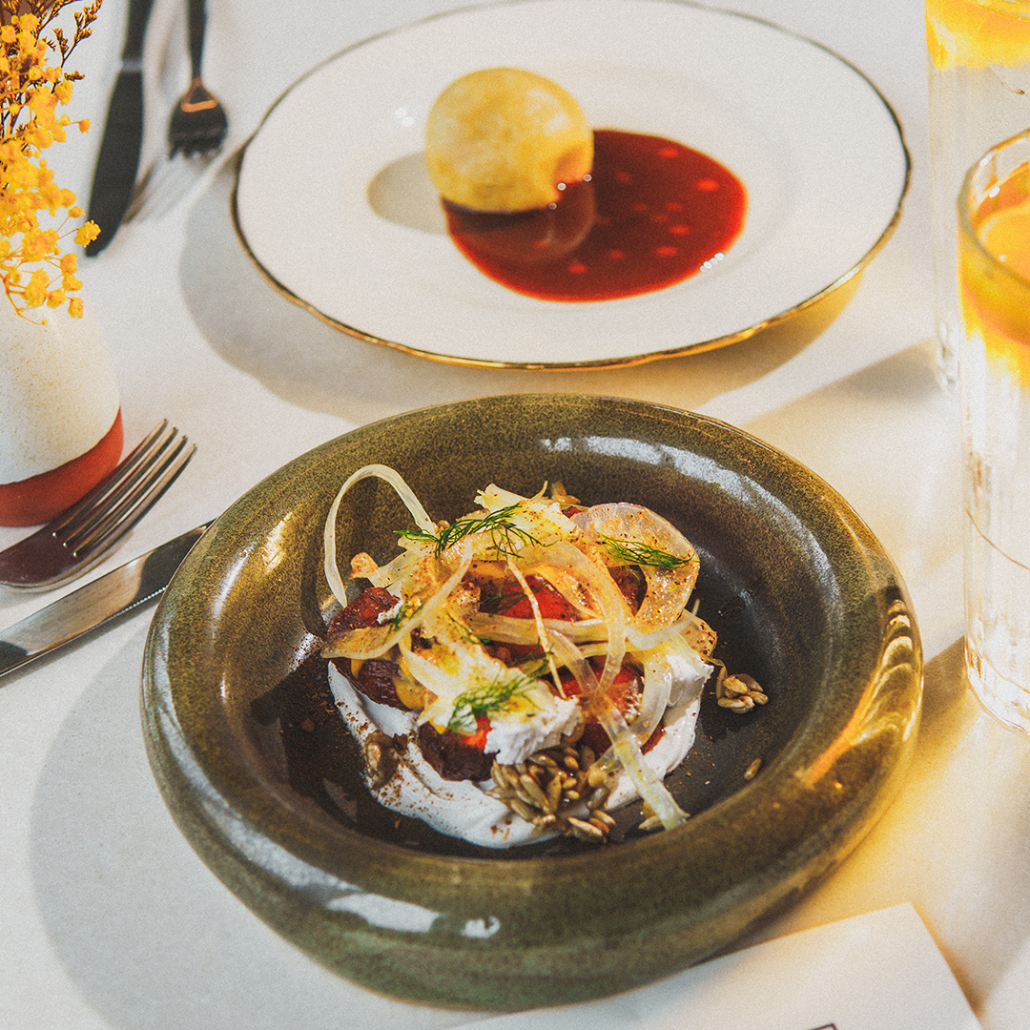
When it comes to global inspiration, the Senegalese continue to wow Vusi. “They make fire pits from cinder blocks to dry and smoke their fish, cook a whole goat or make lamb dibi. When they make lamb dibi [flame-grilled lamb served in a baguette with caramelised onions and mustard], the guys don’t use firewood: they use a tree trunk. They just keep pushing the tree further into the fire. It burns really, really hot. And the guys cooking are completely relaxed: earphones in, slops on, chilling in a chair, chatting to their girlfriends. Here in South Africa, we’re losing our minds spinning with our tweezers,” he laughs. “They’re having the time of their lives — and that’s what I like. They cook on high heat, but it’s absolutely perfect. They only open at 10pm, that’s when the party kids go out, and they just don’t stop. I asked for a t-shirt because I liked it so much and the owner didn’t understand why I was so excited. To him, it’s just meat but to me it was so cool.”
Vusi’s curiosity doesn’t let him sit still for long. His next rabbit hole? Maybe pig farming. “We’re going to keep building the restaurant, but I’d like to have a project to supplement the business. I would like to have a little pig farm. Good pigs are very scarce in the Cape. We’ll take it slowly and have a good time with it. It’s something fun. Something different. Something away from the usual.”
But restaurants remain his true love. Get him chatting about things he’d like to cook over fire and he will share vivid ideas, dreamt up on the spot. “I often think about what I would cook if I had the biggest pantry in the world, in the forest, and all the fires,” he muses. “I would just have fun with it…”
Cook by fire
We asked the fire master for a few take-home lessons on making and cooking with fire.
Braai bring-alongs
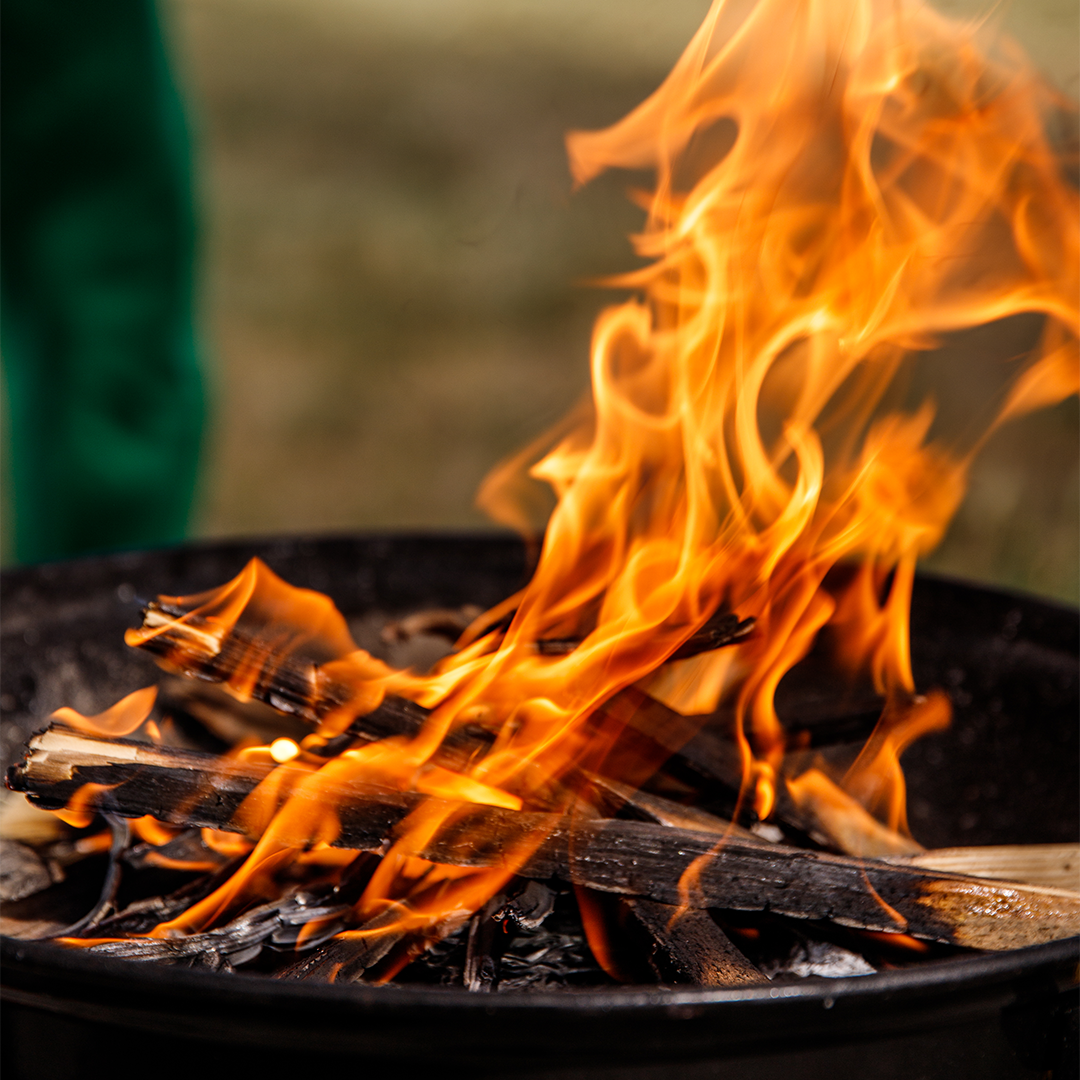
I don’t often go to braais, because people end up asking me to do the cooking! But when I do go, I take drumsticks —very underrated. Or chicken thighs or lamb sausage. I’m doing a deep-dive into Afrikaans cooking right now: The Afrikaans chefs are doing something right, so I’m finding out what that is. Lots of spice, fat —and too much sugar! So I’m very into skilpadjies right now. And always a good chakalaka.
When it comes to wood
Every wood has its own character. Don’t complicate it by having seven types of wood to use — no need for that. Our staple is kameeldoring, a very dry hardwood, which has a longer and hotter burn than most woods and makes nice charcoal. But if you want to be a bit fancy and experiment with smoke or a long cook, then try blue gum which is a sweeter wood. We’ve also used black jack before, which is an easier wood — tasty, but it burns quickly and doesn’t make for good charcoal. Mopane wood is nice for smoking. If you’re from the villages, you smell that wood burning and it’s like you’re back home.
Try some seasoning
You can season your fire at the end of cooking by adding different things to burn and produce a specific smoke. This is great if you’re cooking multiple things, so that people don’t get palate fatigue. Grape vines make a sweet smoke. If you have a lemon tree, take some leaves and add them to the fire so they release their oil. Take some ash or coal, put it on top of rosemary or hay and place it on the side of the fire. Just let it smoke nicely. But don’t go crazy with seasoning the fire – like with food, it’s something you do at the end. And please don’t put whole spices in the fire. They will explode!
Fire alternatives
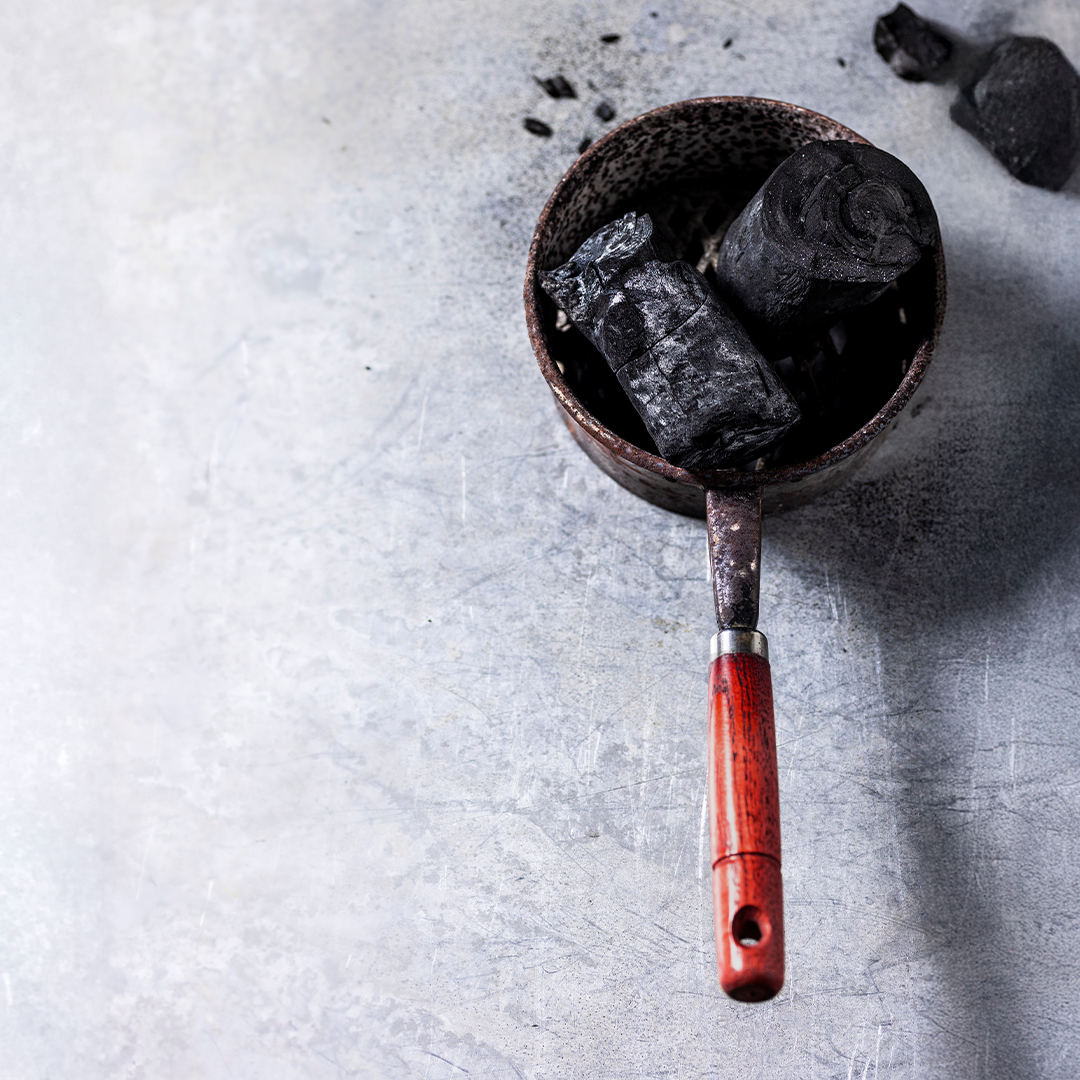
I think it’s perfectly fine to braai over gas or briquettes. They have their place. I have a gas braai at home, because no open wood fires are allowed in my building, and that’s fine. Briquettes should be used for slowing cooking only, though.
Keeping the heat on
Fire is like a person — it needs to breathe. We always have a main fire and a feeding fire, made from wood only, on the side where we make coals to bring into the main fire as needed. And just watch it. Building a fire is easy once it’s going – but it’s harder to build a fire offal like liver, brain or heart, you just need to focus because its delicate. You can make the most awesome banana bread: Leave some bananas on a used fire, in the skin. Just let them do their thing. Then use that pulp to make banana bread or butterscotch. What would you not put in the fire? I’d do anything on the fire…
The order of things
Start by cooking things on the bone (since they need more time to cook) and your moist vegetables like mielies. Do the leaner meat cuts towards the end. Then go crazy – do your lamb choppie or rump steak, whatever you want. Don’t be scared to experiment with cooking in the fire, either. Some underrated things to cook on the fire are fruit. Or wrap some chopped liver and brie in foil and do that over the fire. When you do
A moment on marinades
There’s no need for wet, sticky marinade. It’s a nightmare for the person who has to clean up later and it often has too many sugars in it. Instead, do a dry marinade and season it properly.
Take it up a notch
You can elevate your home braais by being curious with curings, seasonings and brining. You might have your Sunday favourite, but change it up and try new things. I think it makes things a bit more interesting. Don’t overthink it, either. That makes you forget why you are doing it in the first place. Have fun with it and remember that the best things are often the simplest things.
By: Christi Nortier
Photography by: Cipher media, Getty images, Zhann Solomons
Text courtesy of MyKitchen magazine
0 / 5. Vote count: 0