After accusations of physical and psychological abuse were levelled against world-renowned chef René Redzepi of Noma restaurant, leading South African chefs and chef schools reflect on the character of workplace culture in local high-level eateries and top-tier restaurants.
It’s evident that the older you are, the more intense your war stories. Executive Chef Gregory Henderson says a belittling culture was the norm in the 90s, when being an apprentice was a humiliating and mentally draining experience. Being locked in the walk-in freezer to clean, or counting a kilogram of poppy seeds using a toothpick, were used to break him.
“I witnessed a fellow student being punched and dragged out of the kitchen, with no accountability for the chef involved,” he says. He also saw an executive chef throwing a glass jar at a new employee who was lost. “His reaction was aggressive and completely unacceptable. He also fostered a toxic culture in the kitchen.” It taught him resilience, as he calls it, but this seems to be merely a lucky byproduct.
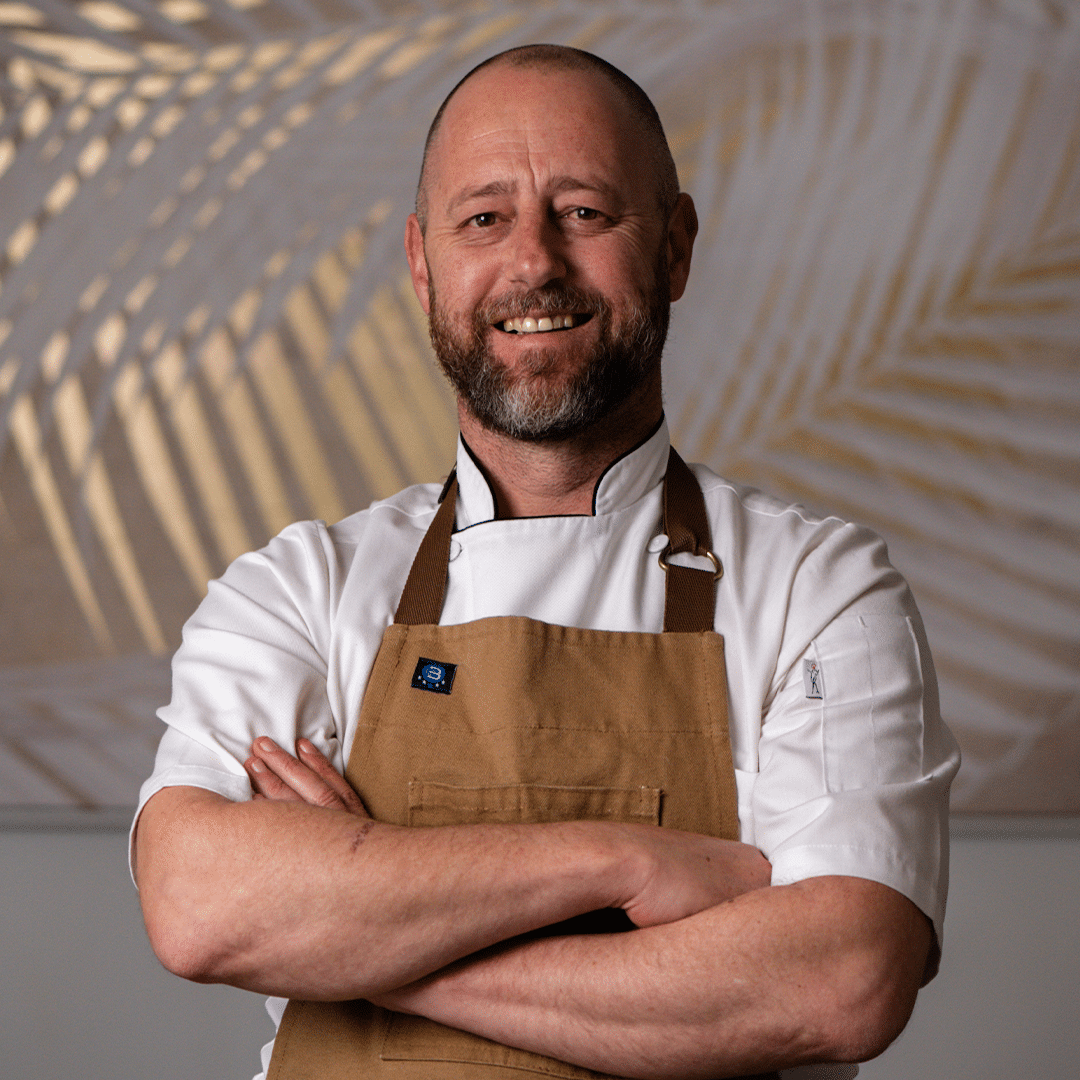
As so often happens, that way of working rubbed off on Gregory. That culture clung to him and permeated through his kitchen for the first decade of his career, until he himself experienced burnout and witnessed how “the relentless pressure led leading chefs in this industry to destructive behaviours or suicide.”
Fast forward three decades. The comments online in response to the René exposé expressed that it’s unsurprising and standard industry practice. Like Gregory’s story, it confirms that the unhinged, belittling chef is more than a media myth. It also asks the question: Has the industry made any progress in 30+ years?
A look in the mirror
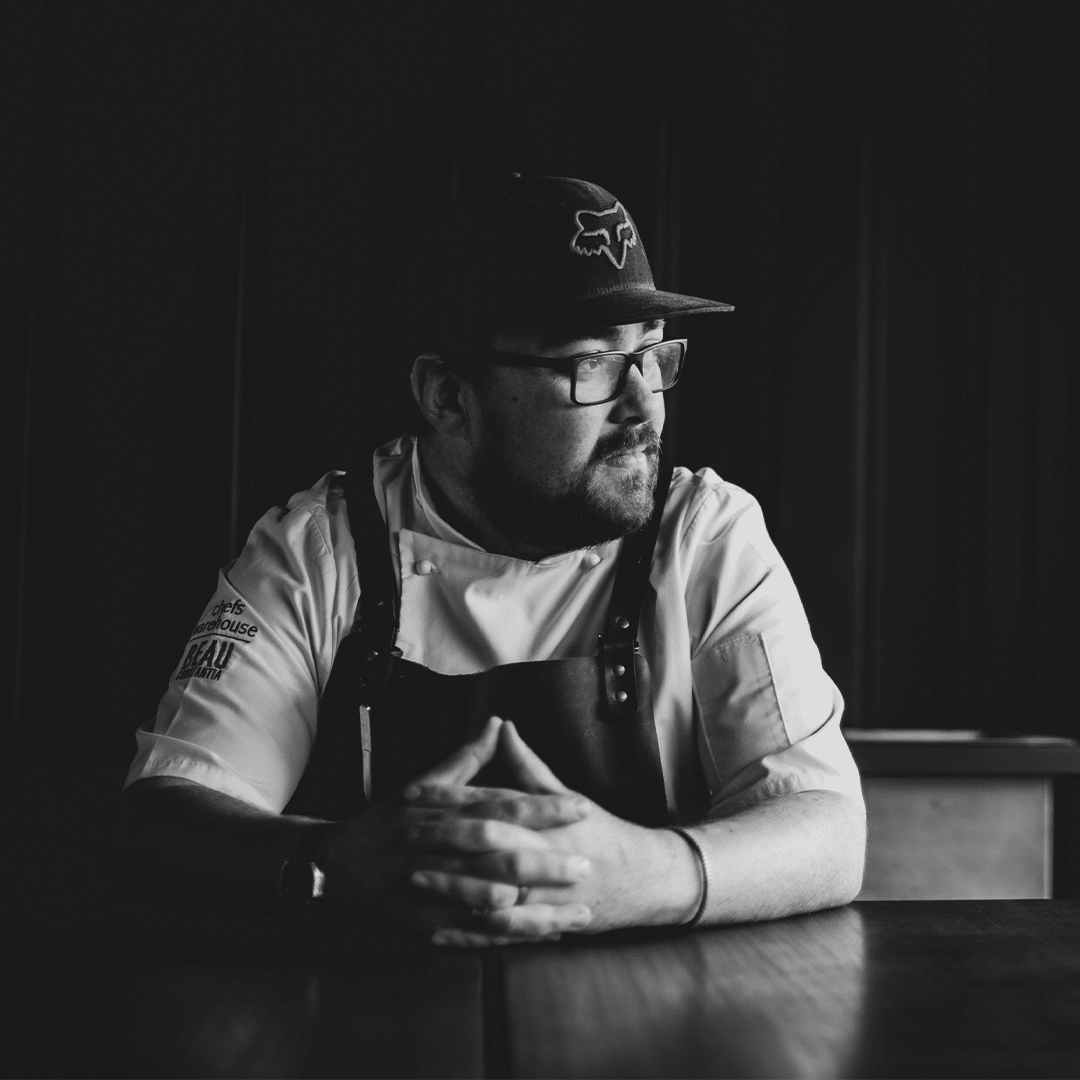
“Kitchens can feel intense just because of the pace and pressure, but there’s definitely more awareness these days about creating healthier environments,” says Ivor Jones, the executive chef and co-owner of Chef’s Warehouse Beau Constantia. But, in 2026, just being cognizant of your flaws is not enough – the industry needs to own up to them.
When does this tough workplace go from a challenging high-pressure environment to something that crosses the line into a toxic environment that breaks you? After talking to four Executive Chefs, a Culinary Director and one of South Africa’s top chef schools, the answer, it seems, is when a kitchen uses fear as its fuel.
The trauma ties that bind us
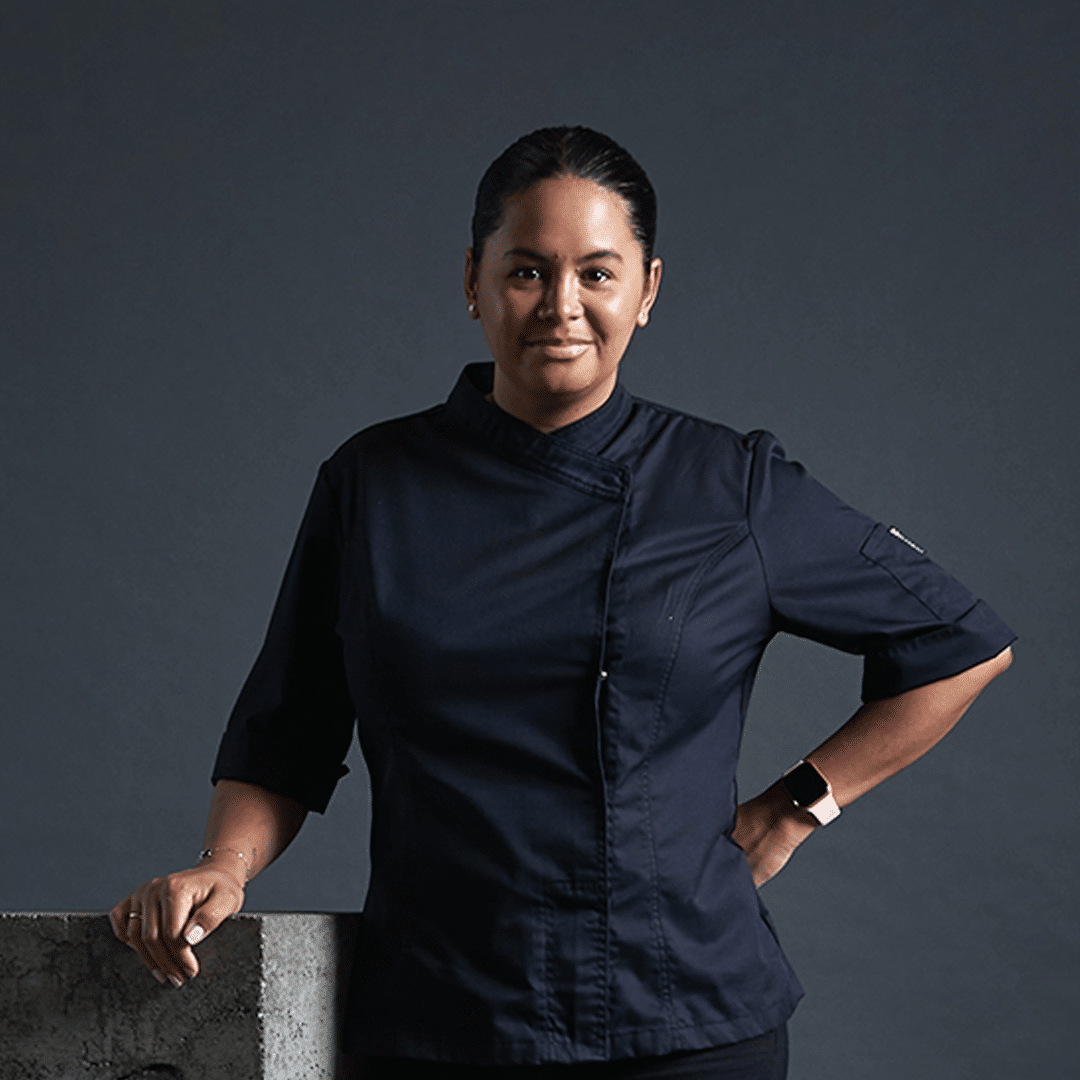
Jill Okkers, Culinary Director of the Tashas Group (representing 45 restaurants in 5 countries), confirms that the caricature of the yelling, rude chef is a perception rooted in truth. “I’ve worked under chefs who believed intimidation was leadership, whether that was physical, like being pinched hard enough to leave bruises, or completely unacceptable behaviour like contaminating food just to prove a point,” she shares. What was brushed off as earning your stripes in the early 2000s, she emphasises, “is not discipline or training, but poor leadership. What those experiences did give me was absolute clarity on the kind of kitchens I would never run.”
While Jill unequivocally knew this kitchen culture was not for her, others thought they flourished in that environment, perhaps using the adrenaline rush as the energy boost that gets them through the long day. Kevin Grobler, previous Head Chef at the Michelin Star restaurant Jan in Nice and Executive Chef of restaurants like Delaire Graaff, says he used to thrive under those circumstances when he started working 20 years ago. “I’ve realised that it isn’t sustainable over the long term,” he says. “I used to run kitchens like that as well, but I’ve started making changes in my life and I try to do the same with my team.”
Militant-level discipline
When asked whether militant-level discipline is required to run top-tier restaurants (the word choice here is deliberate – it is meant to illicit the unmistakable image of a drill sergeant shouting at soldiers), unsurprisingly, it’s unanimous that there is no way to operate without discipline and focus. Opinions differ on whether militancy has a place next to discipline, but, notably, every single answer boils down to the fact that fear has no place behind the pass.
Jill weighs in: “It’s about accountability rather than aggression. The best kitchens aren’t run on fear, they’re run on clarity, consistency and accountability. Discipline is what drives excellence, not intimidation.” There’s a sense that pressure can improve you, but not when it lives in a vacuum. When there’s pressure without purpose, it can break you, explains Jill.
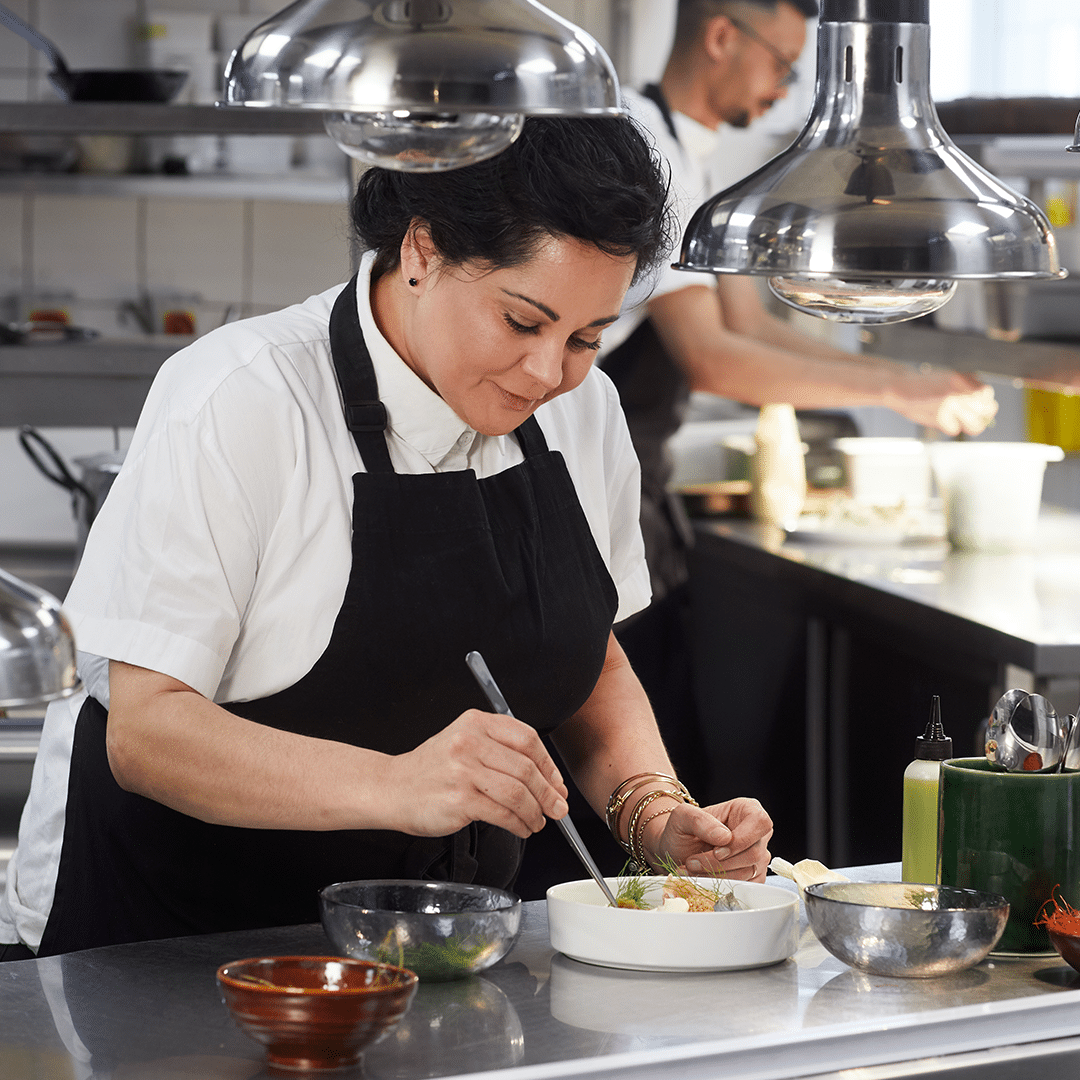
Amori Burger, Executive Chef of Upper Union says: “Yes – but militant doesn’t have to mean abusive. For me, ‘militant’ is about clarity and consistency, not fear.” When talking about the Upper Union team, Amori mentions that “the most important thing I know about my team is that they are kind”, underlining how her way of leading has attracted others or perhaps shown them how to follow suit.
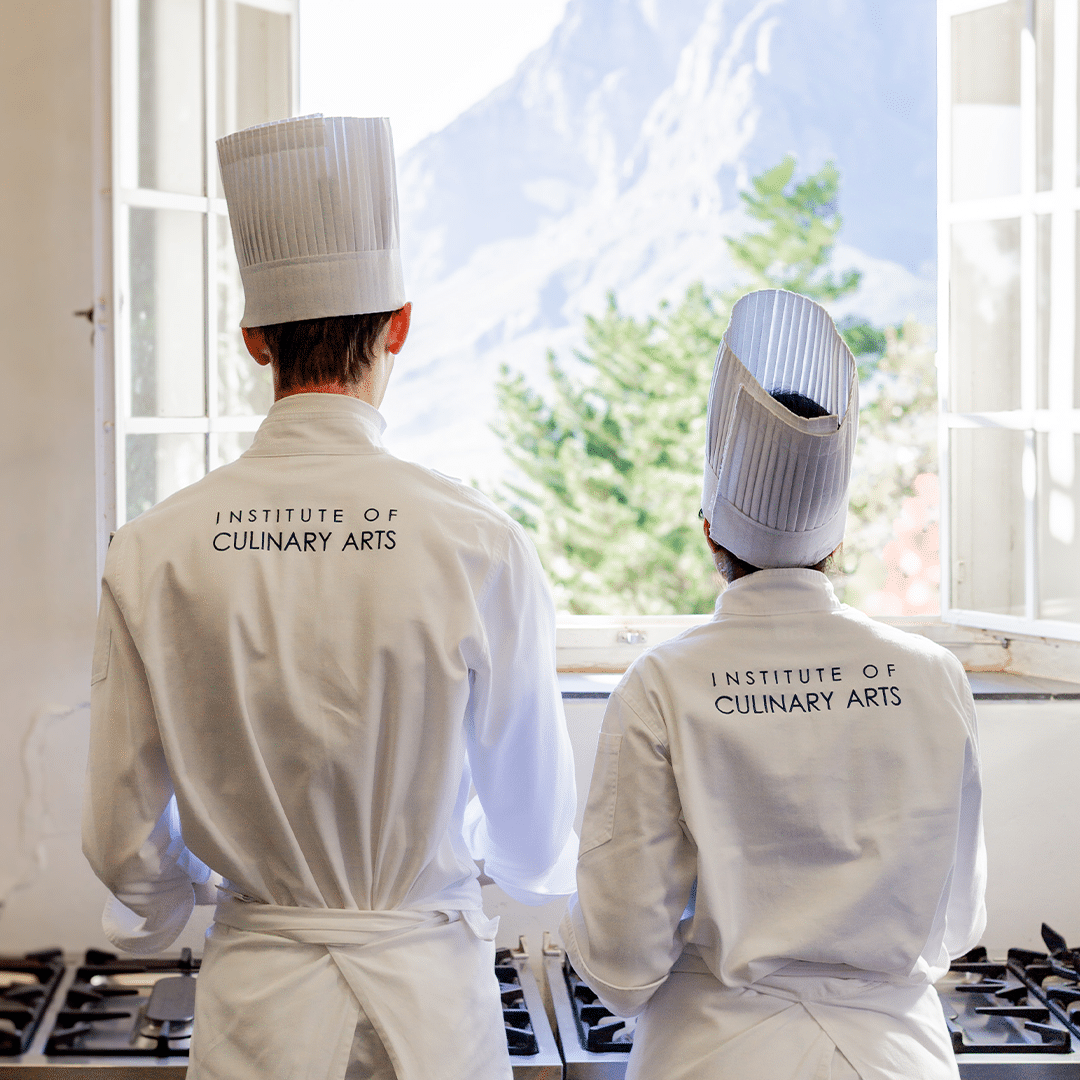
The Institute of Culinary Arts (ICA) (a chef school with three decades of experience and a list of award-winning alumni) adds the unique viewpoint that discipline is also essential for safety in the fast-paced, high-risk environment. “There is a clear and important distinction between discipline and militancy. Militant-style leadership is not a prerequisite for success,” it believes. “In fact, many of the most respected kitchens demonstrate that exceptional standards can be achieved within environments grounded in respect, mentorship and psychological safety.”
Taking stock of the psychological strain
When asked about the rate of student complaints over the years, the ICA paints a positive picture. “Encouragingly, there has been a noticeable decline in reports of overt physical abuse over the past two decades,” it says. “At the same time, we have seen a positive shift in students’ willingness to speak up earlier when something feels wrong.”
They note that psychological strains such as verbal belittling, excessive pressure, or challenging workplace dynamics are raised more frequently and highlight that although these behaviours can be more nuanced, it is equally impactful over time. “Professional kitchens will always be demanding environments, but they need not be defined by hardship,” it says.
The unpaid elephant in the room
“Early in a chef’s career there are often stages or internships where the focus is more on learning than earning,” says Ivor. “That’s been part of the industry for a long time, but it’s something people are talking about more now in terms of making the industry sustainable for young chefs.”
When asked what the difference is between a tough and a toxic kitchen, chefs’ answers often included mutual respect. In an industry where salaries have historically been low, it is important to remember that a fair wage is associated with respect. While the current economic climate makes a good argument for keeping start-out salaries low, Cape Town’s fine-dining restaurants fill their seats with international guests who pay plenty per plate.
Jill highlights that there’s a huge disconnect in the industry, globally, between what teams are paid and the reality of the job. “To put it into perspective — my first job 20 years ago paid R4 500, and there are still people today earning around that as a base. That’s a much bigger issue we need to address as an industry,” she says.
Avoiding the trap
It is conceivable that those who survived the unpaid stages, the 16-hour workdays and fear-driven shifts can fall into the trap of thinking “I had to do it, so you do too.” After all, that training got them to where they are.
Ivor says most chefs who’ve been in the industry a long time have seen different styles of leadership, some very old-school and some really supportive. “Over the years I’ve learnt that you can run a tight, disciplined kitchen without making people feel small,” he reflects.
“A lot of what I try to build now wasn’t afforded to me when I was coming up in the industry, and that’s very intentional”, says Jill. “It’s not about ego or inflated pride; it’s about the impression you leave and the standards you set in people that they carry with them long after they’ve left your kitchen.”
Amori shares that she trained under Jason Blackmore, a UK chef who had trained in Michelin kitchens where the toxic kitchen culture existed, but he chose to break the cycle. As one of her greatest mentors, he proved that it’s nice to be nice. It’s a story that emphasises how one good mentor can shape the chef and the leader you become. “I still believe in high standards, discipline and accountability — those don’t change — but I don’t believe people need to be broken down to get there. My role is to build chefs, not test how much they can endure.”
Moving past
Perhaps the most positive takeaway is the transparency of two tough-as-nails male chefs. Both Gregory and Kevin are advocating for the positive effects of therapy after years of surviving (and what they thought at times was thriving) in toxic workspaces.
“I realised that replicating fear or abuse doesn’t build great chefs, it breaks them,” says Gregory. Today, he leads with empathy, structure and accountability, but removes fear and humiliation.
“Like many chefs, I’ve had to reflect and start finding better ways to manage my temper and the stress that comes with running high-end kitchens,” Kevin explains. “I’m still demanding of my team, but instead of reacting with anger I’d rather take the time to work with them one-on-one and teach them properly.” In his calmer manner, he says he can try to identify the real problem rather than simply blaming someone. “If a cook struggles with a new dish, instead of reacting with frustration I’ll go back to the recipe with them. We’ll check whether the instructions were clear or whether something in the process needs to be improved.”
Keeping the legacy without the legend
When questioning those who once thrived in a toxic kitchen workplace, it seems like there was an impulse to defend something of Noma, although pinpointing whether it is the art or the artist being defended was difficult. We cannot deny the impact of the New Nordic Cuisine in the 21st century and luckily, in 2026, we’ve progressed enough to preserve the food legacy while letting go of the legend behind it.
Luckily, our local leading generation in the kitchen can let go of the idea of what society thought a chef should be. Everyone agrees that physical and psychological safety comes before creativity.
The industry is evolving, but it is impossible to know how many still operate under cruel and frightening leaders. What is clear is that if you do find yourself in a kitchen with psychological or physical abuse, don’t believe that all kitchens operate like this. What happens behind the pass is just as important as what ends up on the plate. Get out and find yourself a kitchen that doesn’t run on fear. The kitchen is tough, but it doesn’t need to be toxic.
Words: Liezl Vermeulen
Photography: Supplied