
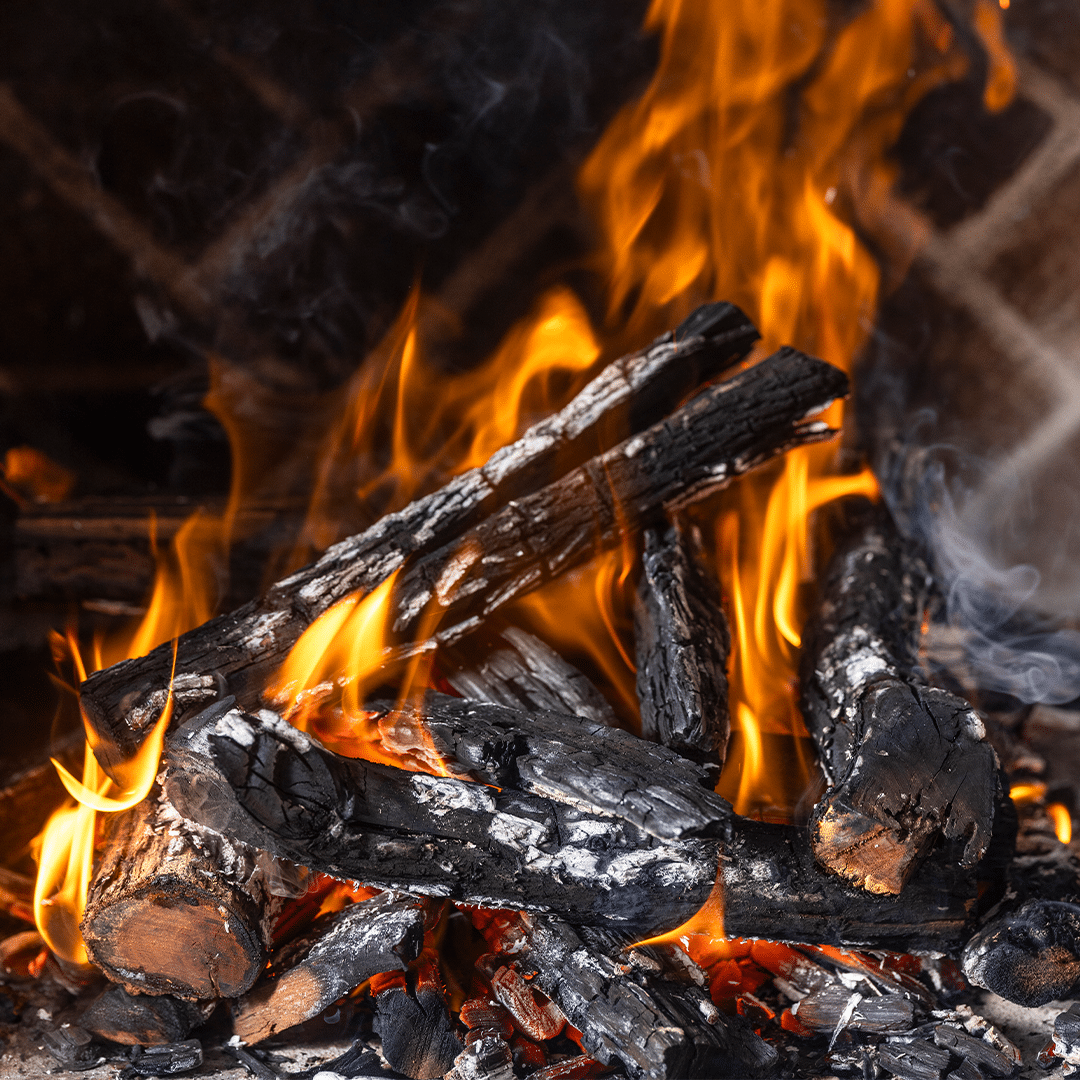
Let’s crack open the science behind smoke — where wood and heat join forces to create chemical reactions, flavourful magic and that drool-worthy smoky swagger we love so much.
The rich, complex flavour of smoked food has an appeal that immediately evokes memories of open flames, relaxed cooking and a hint of nostalgia. Smoking has become a popular way to add strong flavours to a range of foods, from tender ribs to smoked cheese and even drinks. Prepare to add some smoke to your food, whether you’re an expert braai chef or an inquisitive home cook. Either way, we’ve got you covered with the components that give your kitchen a smoky touch, the many methods for smoking food as well as the science behind its totally mouthwatering aroma.
Burn baby, burn: The science of smoking food
Smoking of food was first used to preserve meat before refrigeration, and has been in use for centuries. Nowadays, smoking is a common method for cooking and giving food that distinct smoky flavour by burning or smouldering materials such as wood to smoke cheese, meat, fish and even vegetables. When we burn something, such as wood, a mixture of small, unburned particles are expelled as smoke. Food smoking is a science that involves the intricate relationship between heat, wood and time. The volatile organic chemicals in wood decompose and release smoke when it burns, producing smoke that is full of microscopic substances including phenols, syringol and guaiacol.
This is how you get that distinctive smoky flavour and scent that cannot be duplicated in an oven. As the smoke wraps the food, these substances seep into it — particularly when the food’s surface is greasy or moist, thus encouraging enhanced smoke absorption. Heat also breaks down fat and connective fibres, which makes food such as meat moist and tender. Additionally, when the Maillard reaction (a chemical process that browns food and intensifies flavour) takes place, the smoky profile gains depth.
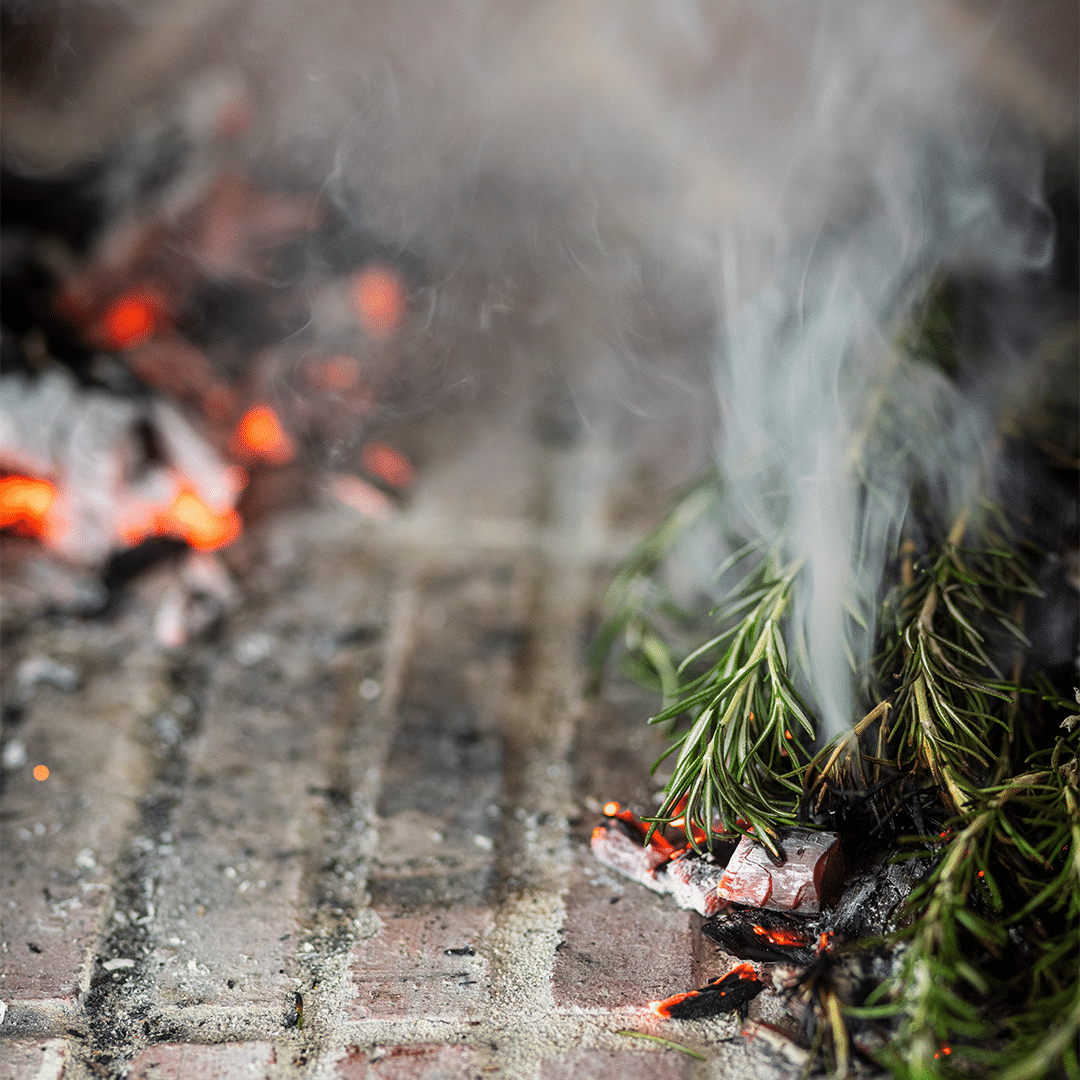
Hot vs cold smoking
There are various temperatures at which you can smoke food. The ideal method depends on what you are smoking and the desired outcome.
Cold smoking is the process of adding smoky taste to food at lower temperatures of 20 to 30°C without cooking it, such as with smoked cheese and the infusion of liquids. Turn to page 73 for a smoked rooibos ice cream recipe as an example of cold smoking.
Most people are familiar with hot smoking, which is the process of cooking food such as meat or vegetables while also smoking it. This version uses temps that are hot enough to both smoke and properly cook the dish without making the meat dry — from 52°C upwards.
There’s also smoke-roasting, which involves cooking big chunks of meat such as pork leg, beef brisket or lamb ribs slowly over several hours using smoke and indirect fire.
Food for thought
Ideal food for smoking:
Meats: Smoking is a typical practice for chicken, brisket, ribs, pork shoulder and fish such as salmon, hake or yellowtail.
Cheese: A flavourful snack or ingredient in recipes is smoked cheese.
Vegetables: Smoking vegetables such as peppers and onions can provide distinctive flavour characteristics.
Smoking elements
Use wood from apple-, peach-, plum- or cherry tree for a mild, fragrant smoke. Each of these trees subtly sweeten meats and vegetables. For a unique twist try tea-smoking with black teas or rooibos. It adds an earthy, fragrant depth of flavour that goes well with tofu, duck and even desserts or cocktails.
Tips for smoking
– Although a smoker is a popular way to smoke food, you don’t necessarily need one in order to give your food a smoky flavour.
– When smoking meat, ensure that the meat is completely defrosted first, as smoking temperatures are not extremely high.
– Soak wood chips in water before smoking — this adds moisture which results in maximum smoke.
– To find your preferred flavour combinations, don’t be scared to try out various kinds of wood for smoking.
– For pit masters and barbecue enthusiasts around the world, a good smoke ring is a badge of honour. The thin layer of still pinkish meat directly beneath the surface of a recently smoked piece of meat is known as the smoke ring. A lot of grillers and barbecue fans believe that the appearance of the ring indicates that the specific cut is flavourful and cooked to perfection. A smoke ring is just a chemical reaction from the smoking method, even though many grill experts like to brag that it indicates perfectly cooked food.
Smoky flavours
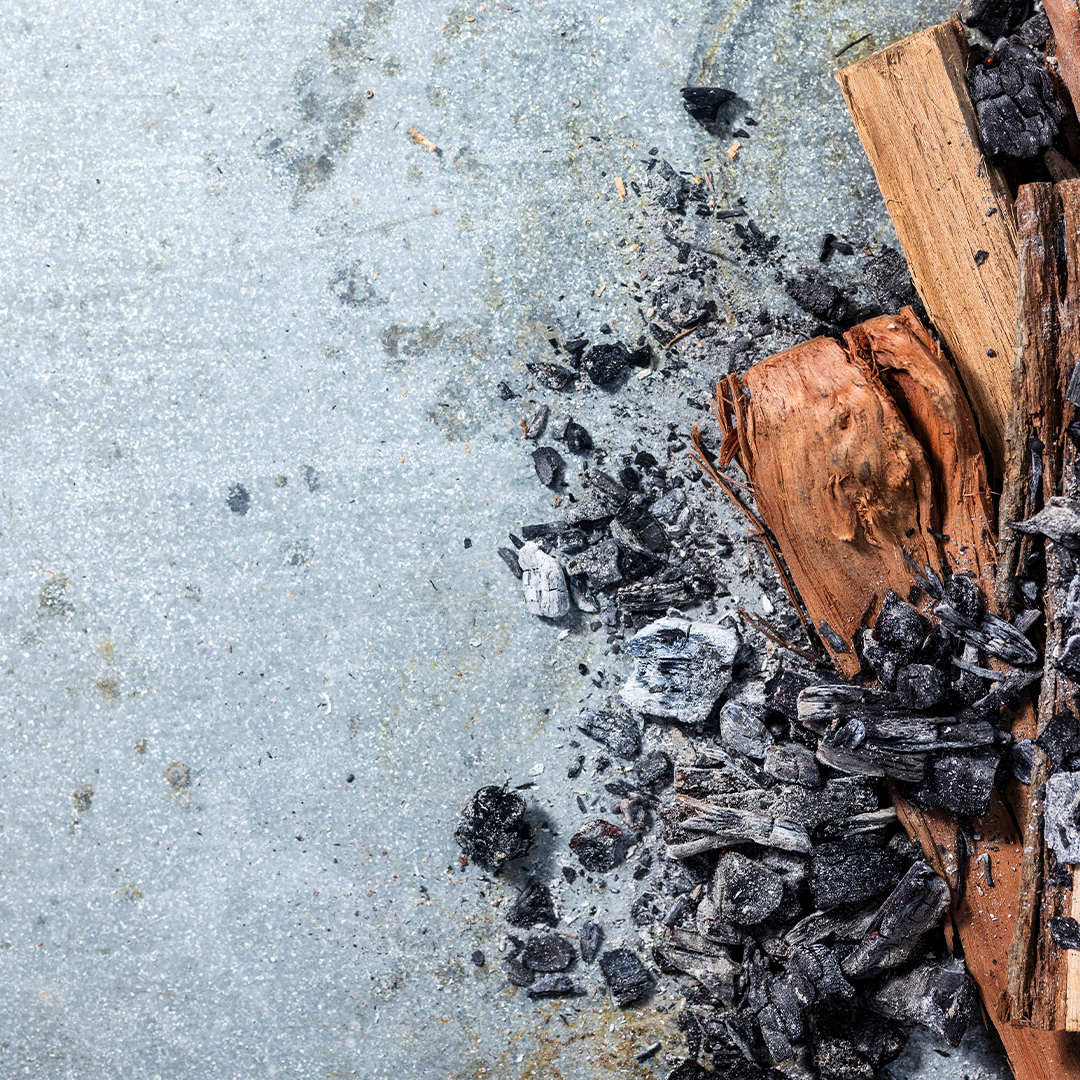
These ingredients recreate the depth of actual smoke to give meals a rich, smoky flavour without a fire.
Smoked paprika: A pantry essential, lending warmth and delicate woody undertones to roasted veggies and stews alike.
Liquid smoke: Made from real condensed smoke water, it’s strong and ideal for marinades or sauces; a few drops go a long way.
Burnt onions and garlic: Adds umami and smokiness and is a more natural approach.
Ingredients ideal for adding smokiness
The curing and smoking procedures of these foods naturally add smoky flavours to food.
Bacon: adds a salty, smoky bite.
Chorizo: adds smokiness and spice.
Cheese: adds a rich, creamy flavour with a lingering smoky undertone.
By: Lichelle May
Photography by: Zhann Solomons
Also read: Braaied yellowtail with flatbread and sumac onions